


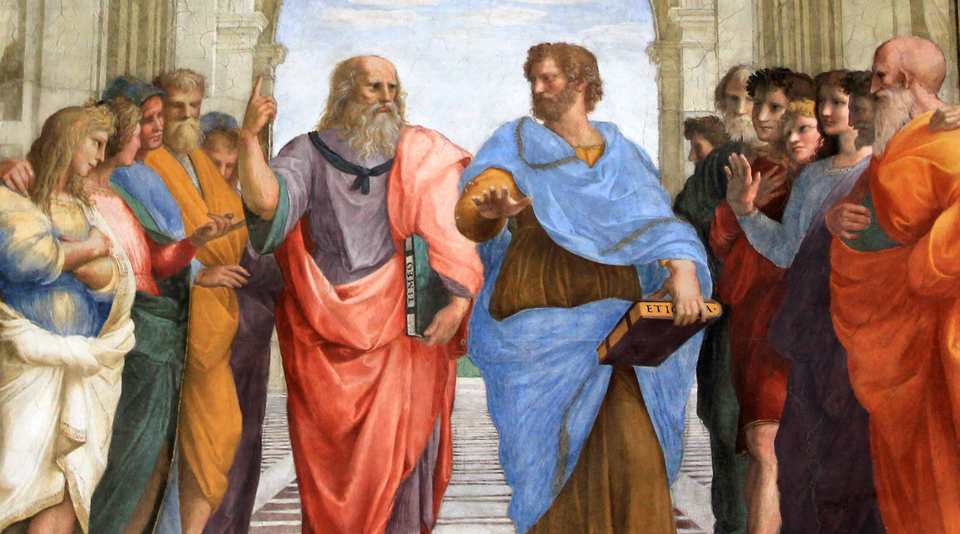
The Aristotle's Lyceum (or Lykeion) was a major philosophical school in ancient Athens, founded by the philosopher Aristotle in 336 BCE. It was located near the river Ilisio, just outside the city center. Aristotle taught there for many years, and it became one of the most influential educational institutions of the ancient world. Over time, the school was succeeded by the Peripatetic school, named after the peripatos (covered walkway) where Aristotle and his students would walk and engage in debate.
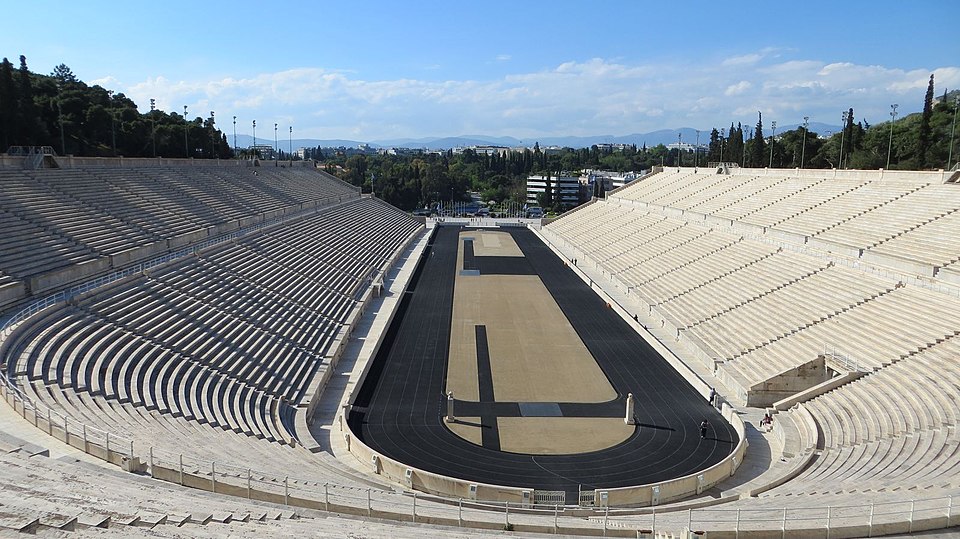
The Kalimarmaro Stadium (also known as the Panathenaic Stadium) was originally built in the 4th century BCE to host the Panathenaic Games, a major athletic and cultural festival held in honor of the goddess Athena. The stadium was reconstructed in 1896 for the first modern Olympic Games and is the only stadium in the world built entirely of white marble. It can hold around 45,000 spectators and is one of the most iconic structures in Athens.
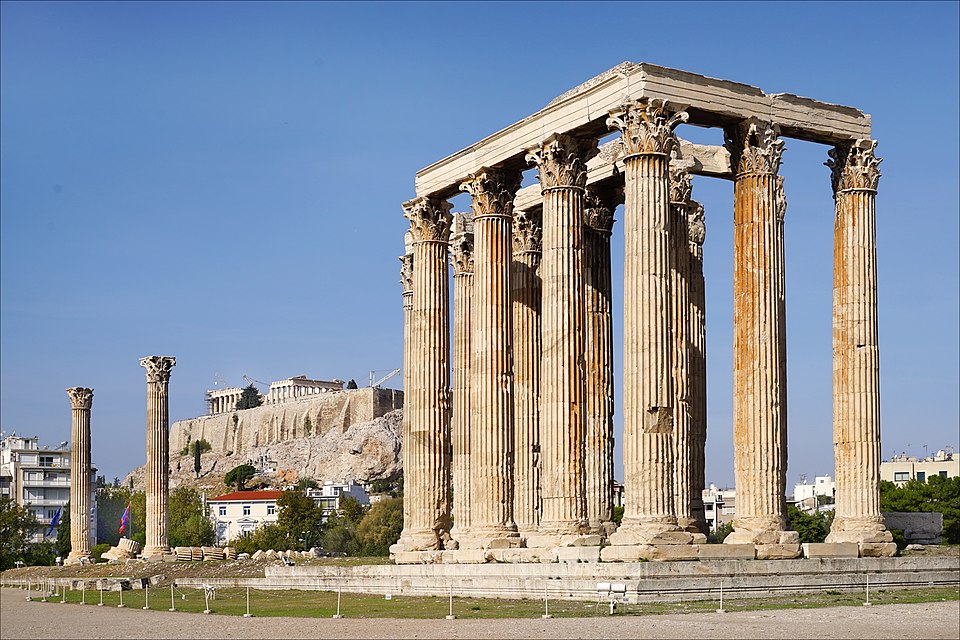
The Temple of Olympian Zeus (also known as the Olympeion) is an ancient temple located southeast of the Acropolis in Athens. It was dedicated to Zeus, the king of the Greek gods, and was one of the largest temples in the ancient world. Construction began in the 6th century BCE under the tyrant Peisistratus, but it was not completed until the reign of the Roman Emperor Hadrian in the 2nd century CE, over 600 years later.
The temple was designed in the Corinthian order and originally featured 104 columns, of which 15 remain standing today.
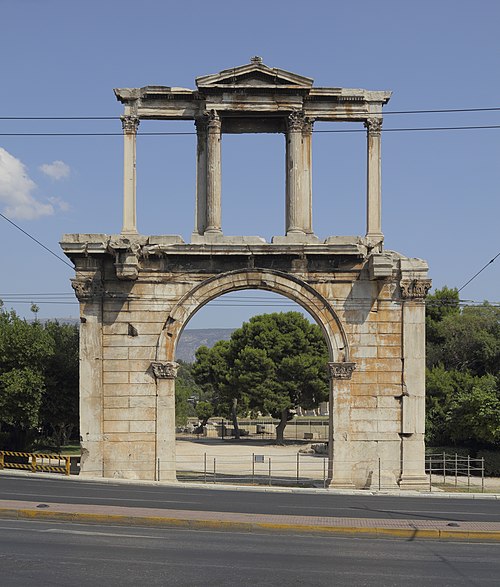
Hadrian's Gate is an ancient monumental gateway located in Athens, built in 132 CE by the Emperor Hadrian to celebrate his contributions to the city. The gate marked the boundary between the ancient Greek city and the Roman quarter of Athens, symbolising the city’s transition under Roman rule. Hadrian's Gate is located near the Temple of Olympian Zeus and remains an important historical landmark, symbolising the relationship between Athens and Rome during the Roman Empire.
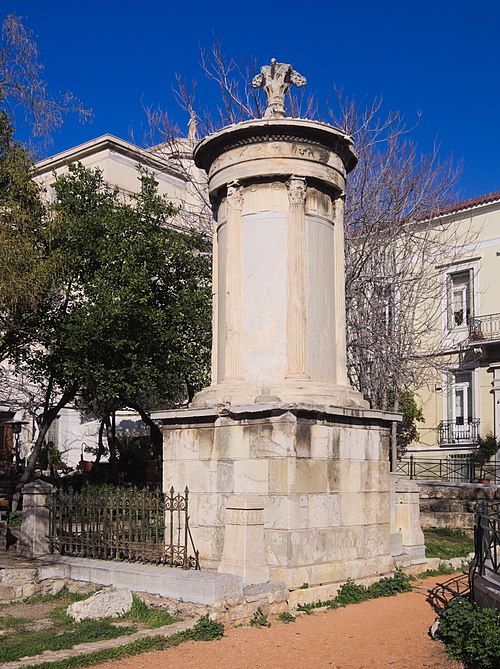
The Monument of Lysicrates is a well-preserved ancient Greek monument located in Athens, near the foot of the Acropolis. Built in 334 BCE, it was erected by Lysicrates, a wealthy patron of the arts, to commemorate his victory in the Dionysian festival's theatrical competition. Lysicrates, who was a choregos (a wealthy sponsor of theatrical performances), funded the production of a play that won first prize at the festival.
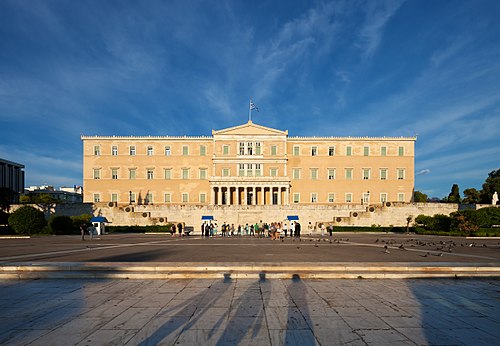
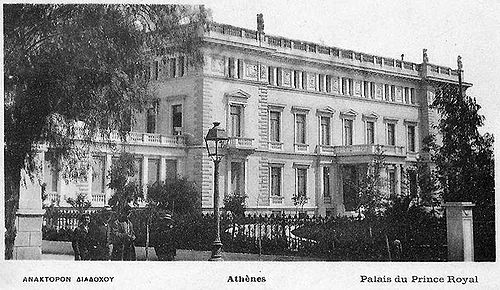
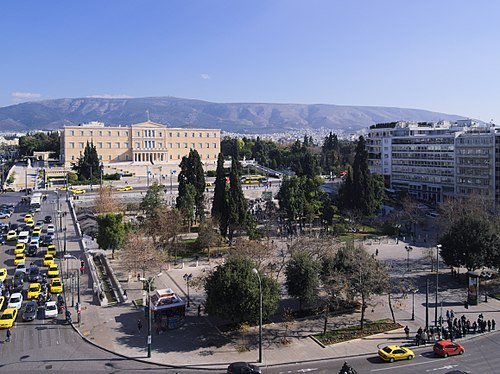
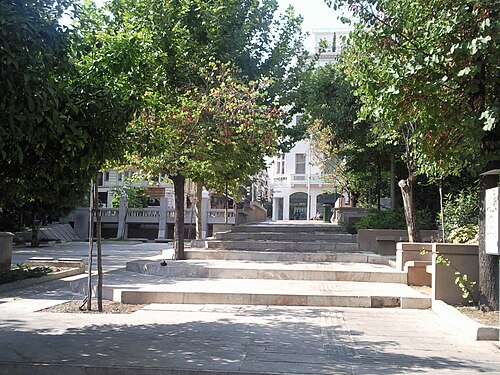
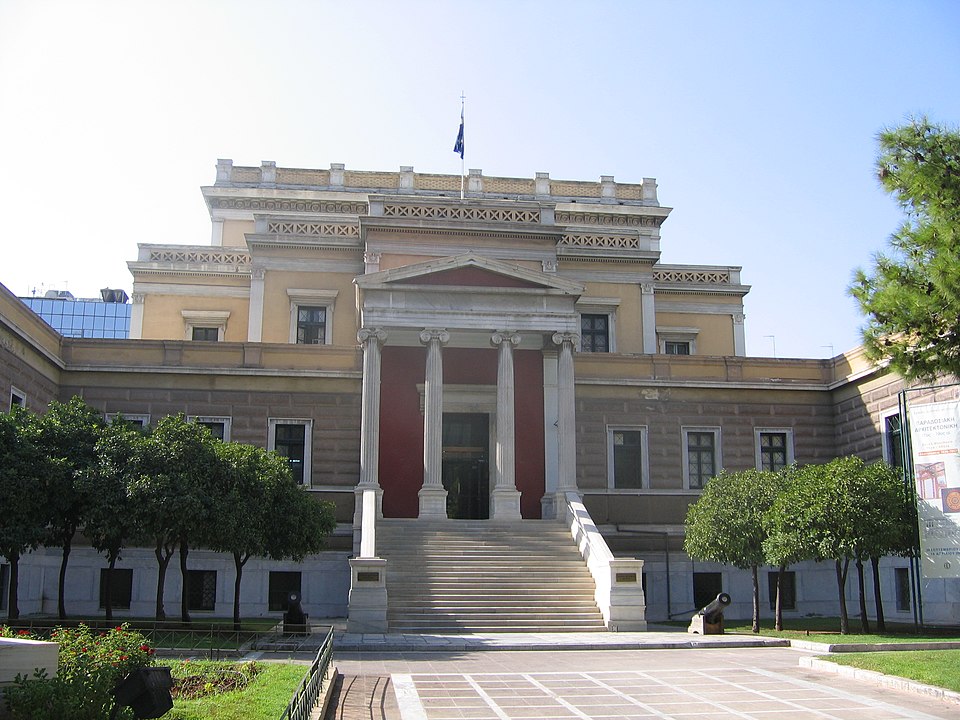
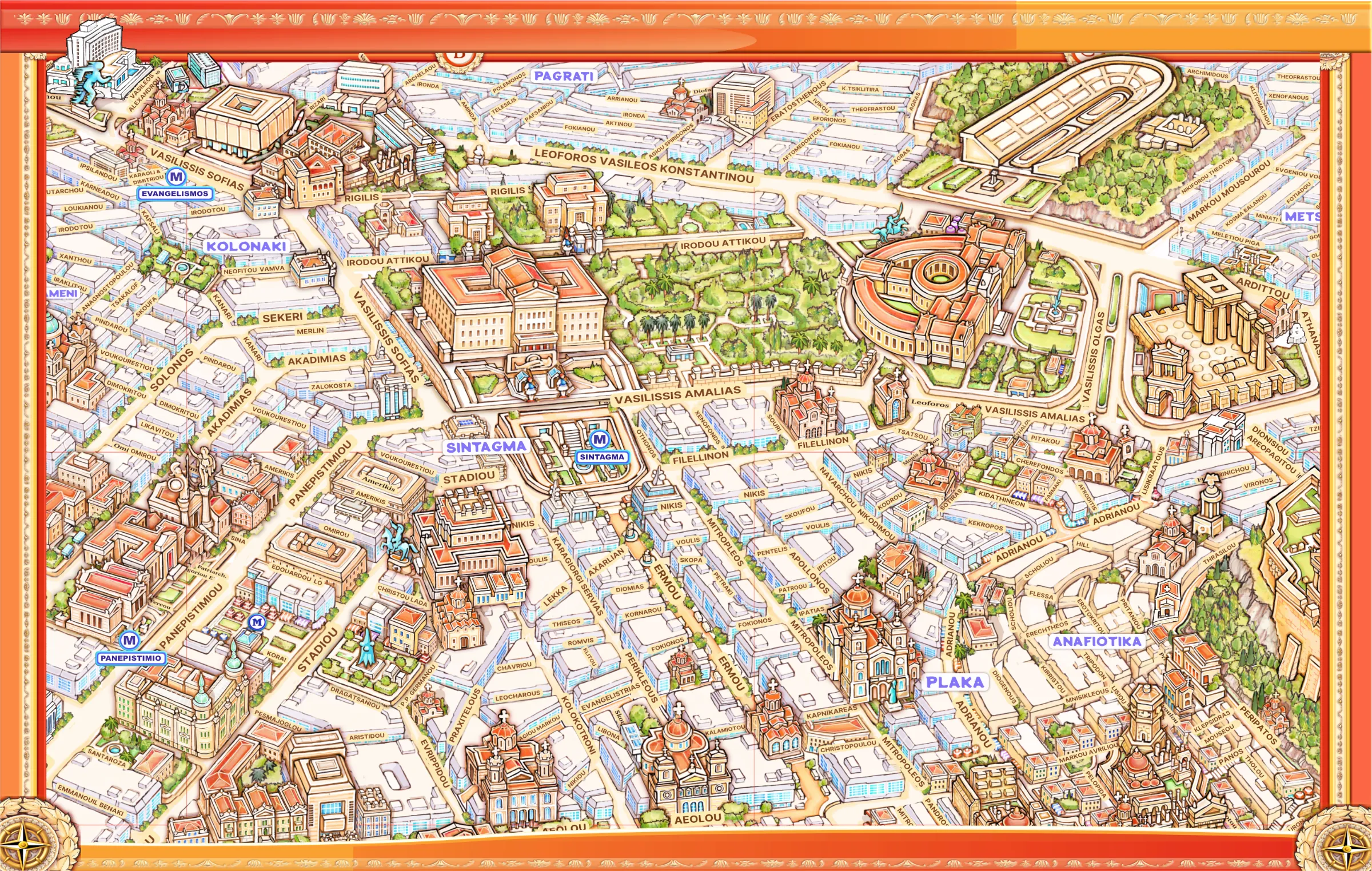
Syntagma Square is the central square of Athens and is known for being the heart of the city. It is home to the Greek Parliament (Hellenic Parliament), which sits in front of the Old Royal Palace. The square is a popular gathering place and serves as a hub for public protests, celebrations, and events. Visitors can often see the Evzones (Greek Presidential Guard) performing the changing of the guard ceremony at the Parliament building. Together with Monastiraki square, Syntagma square is ideal starting point for extended walk tours.

 Maps © 2026 TerraNaviga.com
 Development © 2026 imb.gr