


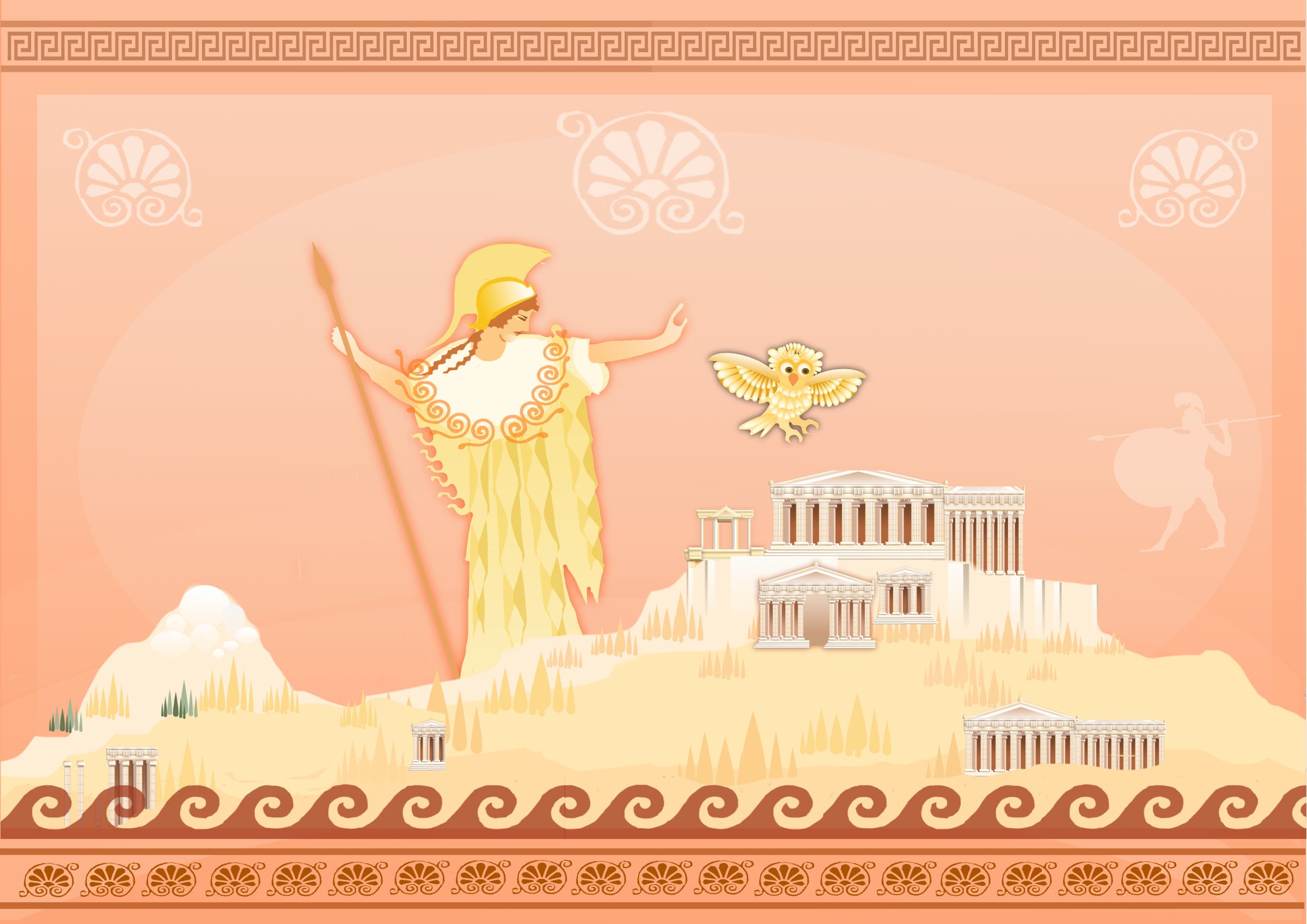
Ancient Athens stands as one of the most influential and celebrated city-states in the history of human civilisation. Known as the cradle of democracy, philosophy, and classical art, Athens flourished during the 5th century BCE, in what is often referred to as its Golden Age. Under the leadership of statesmen like Pericles, Athens became a center of political innovation, intellectual achievement, and cultural brilliance that shaped the future of the Western world.
The city was home to towering figures such as Socrates, Plato, and Aristotle, who laid the foundations for Western philosophy and science. In its bustling agoras (public squares), citizens debated politics and law, practicing a form of direct democracy that, while limited to free male citizens, was revolutionary for its time. The city’s love of knowledge was matched by its passion for the arts. The dramatic works of Aeschylus, Sophocles, and Euripides captivated audiences in grand open-air theatres, while historians like Herodotus and Thucydides pioneered the study of human events.
At the spiritual and architectural heart of ancient Athens stood the Acropolis, a sacred hill crowned by the Parthenon, a temple dedicated to the goddess Athena, the city's divine protector. These structures, crafted in perfect proportion and adorned with exquisite sculptures, reflect the Athenians' mastery of architecture and their devotion to the gods. Beyond the Acropolis, temples, stoas, and monuments filled the landscape, each telling stories of divine myths, civic pride, and military triumphs.
Despite its cultural achievements, ancient Athens also faced periods of war and political turmoil, including the devastating Peloponnesian War with rival Sparta. Yet even in decline, Athens remained a beacon of learning and philosophy, influencing the Roman Empire and later the Renaissance.
Today, the legacy of Ancient Athens endures in its monuments, museum collections, and the democratic ideals and intellectual pursuits that still shape societies around the world. Walking through the ruins of the Agora or standing before the Parthenon, visitors can still feel the spirit of a city that once changed the course of history.
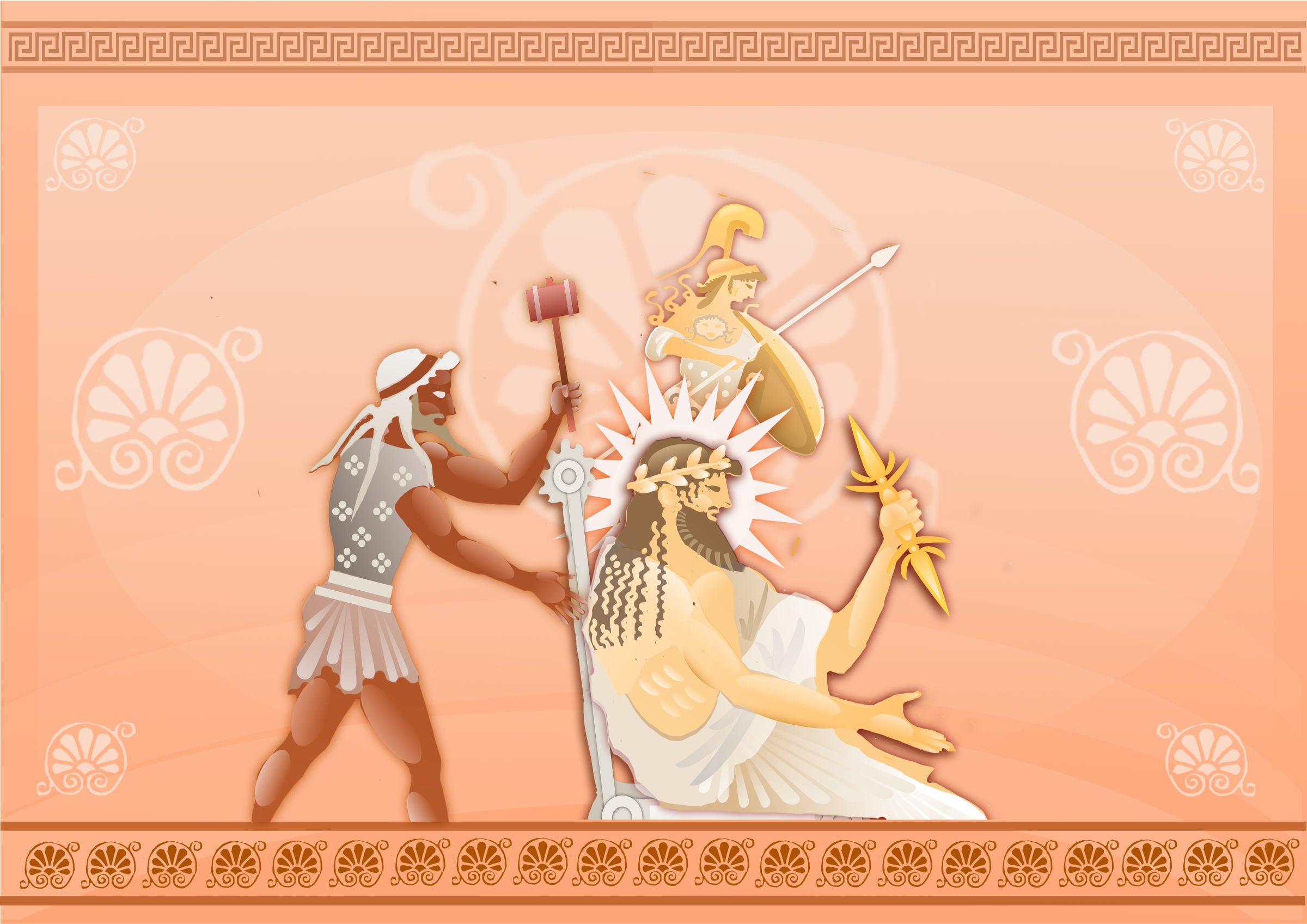
The birth of Athena, goddess of wisdom, war, and crafts, is one of the most astonishing tales in Greek mythology—a story that defies nature and exalts divine power. According to the myth, Athena was not born in the usual way. Her father, Zeus, the king of the gods, had swallowed her mother, Metis, the goddess of wisdom and cunning, while she was still pregnant. This act was not one of cruelty, but of fear—an oracle had warned Zeus that Metis would bear a child more powerful than its father. Hoping to avoid his fate, Zeus consumed Metis, thinking to end the threat.
Yet the seed of wisdom had already taken root within him. Some time later, Zeus began to suffer a terrible headache—so severe that he cried out in agony. To relieve his pain, the god Hephaestus (or, in some versions, Prometheus) split Zeus’s head open with an axe. From the wound sprang Athena, fully grown and clad in gleaming armor, shield and spear in hand, letting out a mighty war cry that echoed across heaven and earth.
This miraculous birth established her as a deity of both intellect and battle, a daughter of wisdom born from the mind of Zeus himself. Unlike other gods, Athena had no mother in the traditional sense, reinforcing her role as a rational, self-sufficient, and fiercely independent protector of cities, especially her beloved Athens.
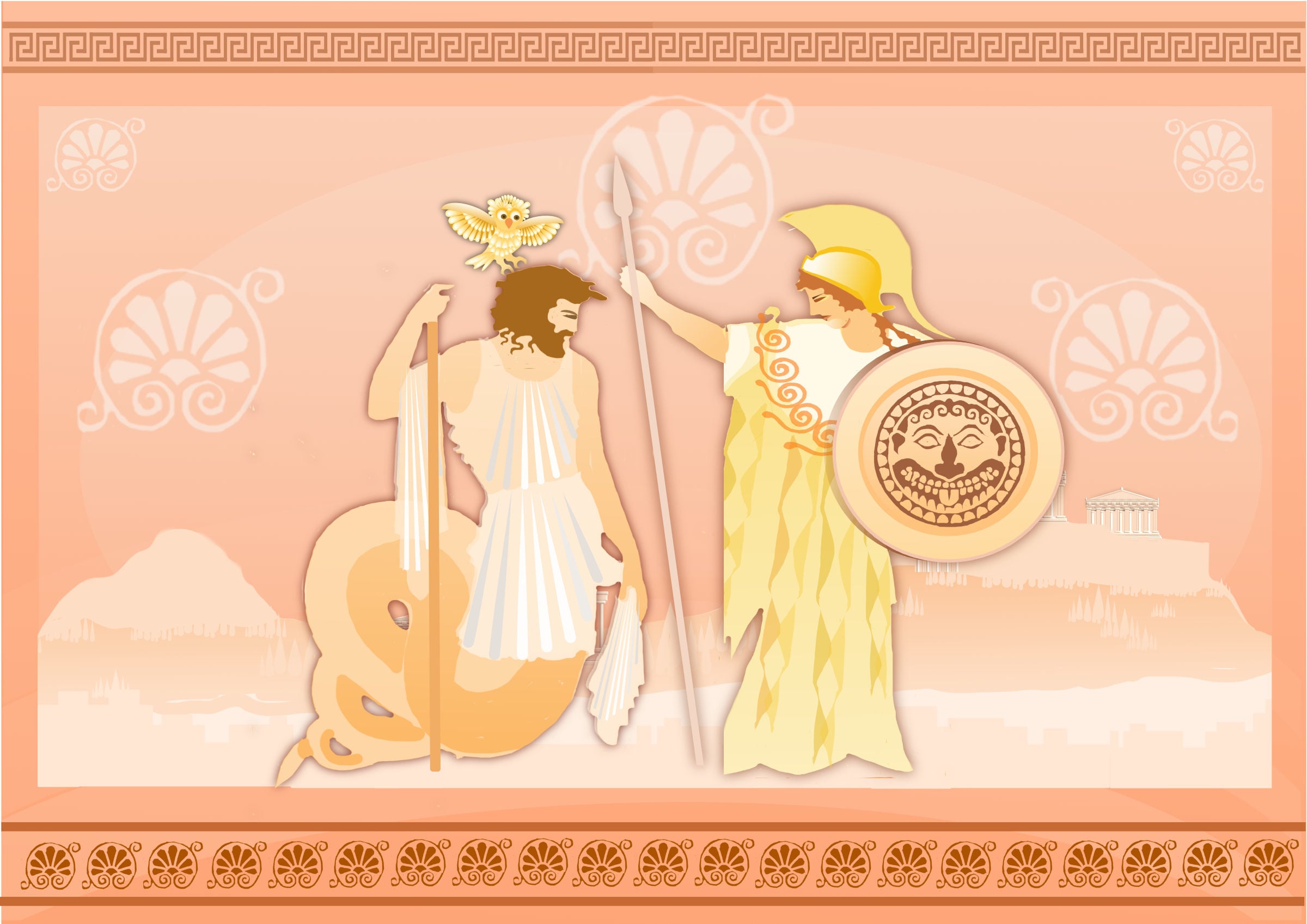
Cecrops, the first legendary king of Athens, was no ordinary man—he was a chthonic being, born of the earth itself, with the upper body of a human and the lower body of a serpent or fish. This dual nature symbolized the union of civilization and nature, of reason and instinct.
As the city’s earliest ruler, Cecrops was credited with bringing crucial elements of culture and order to the early Athenians: he introduced the concept of monogamous marriage, established laws and proper burial rites, and promoted the worship of the Olympian gods over older, more primitive cults. It was during his reign that the famous contest between Athena and Poseidon took place, with Cecrops acting as the judge or mediator. When Athena offered the olive tree and Poseidon the salt spring (or horse), Cecrops recognized the greater value in the olive’s utility and peaceful symbolism, ultimately siding with Athena. His decision shaped the identity of the city forever.
Cecrops was not just a king, but a civilizing hero—bridging the gap between divine influence and human development. Even after his death, he was honored as a cultural ancestor of Athens, a symbol of its mythical beginnings and its commitment to wisdom, law, and civic life.
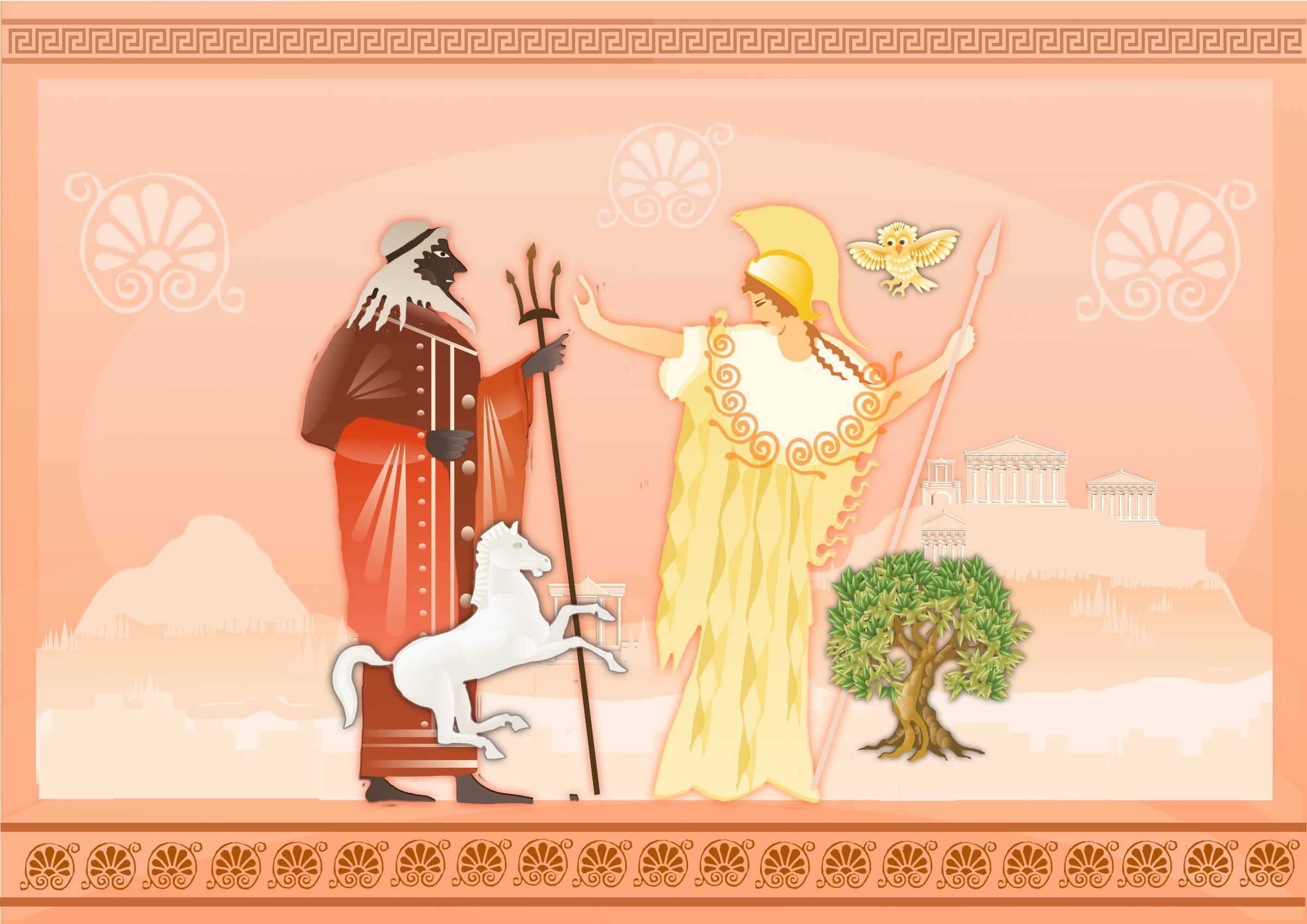
In the mythical age, when the gods still walked among mortals, the land that would become Athens was yet unnamed, and its people sought the favor of a divine patron. Two mighty Olympians—Poseidon, god of the sea, and Athena, goddess of wisdom and war—both desired to claim the city as their own. To settle the dispute, Zeus decreed a contest: whichever deity could offer the more valuable gift to the people would earn the right to protect and name the city.
Poseidon stepped forward first, striking the rocky ground of the Acropolis with his trident. From the fissure surged a mighty spring—some say it poured forth salt water, a symbol of naval power; others say a magnificent horse emerged, representing strength and conquest. Yet the gift, though dramatic, was not suited to human needs. Then came Athena, who planted a single olive tree in the soil. Modest in appearance, the tree bore fruit that could nourish, wood that could build, and oil that could heal and light homes.
The citizens, or in some versions the wise King Cecrops, judged Athena’s gift as more beneficial for peaceful life and lasting prosperity. Thus, the goddess was declared the victor, and the city was named Athens in her honor, forever bearing the mark of her wisdom and protection. To this day, the sacred olive tree is said to grow on the Acropolis, a living relic of divine rivalry and the dawn of civilization.
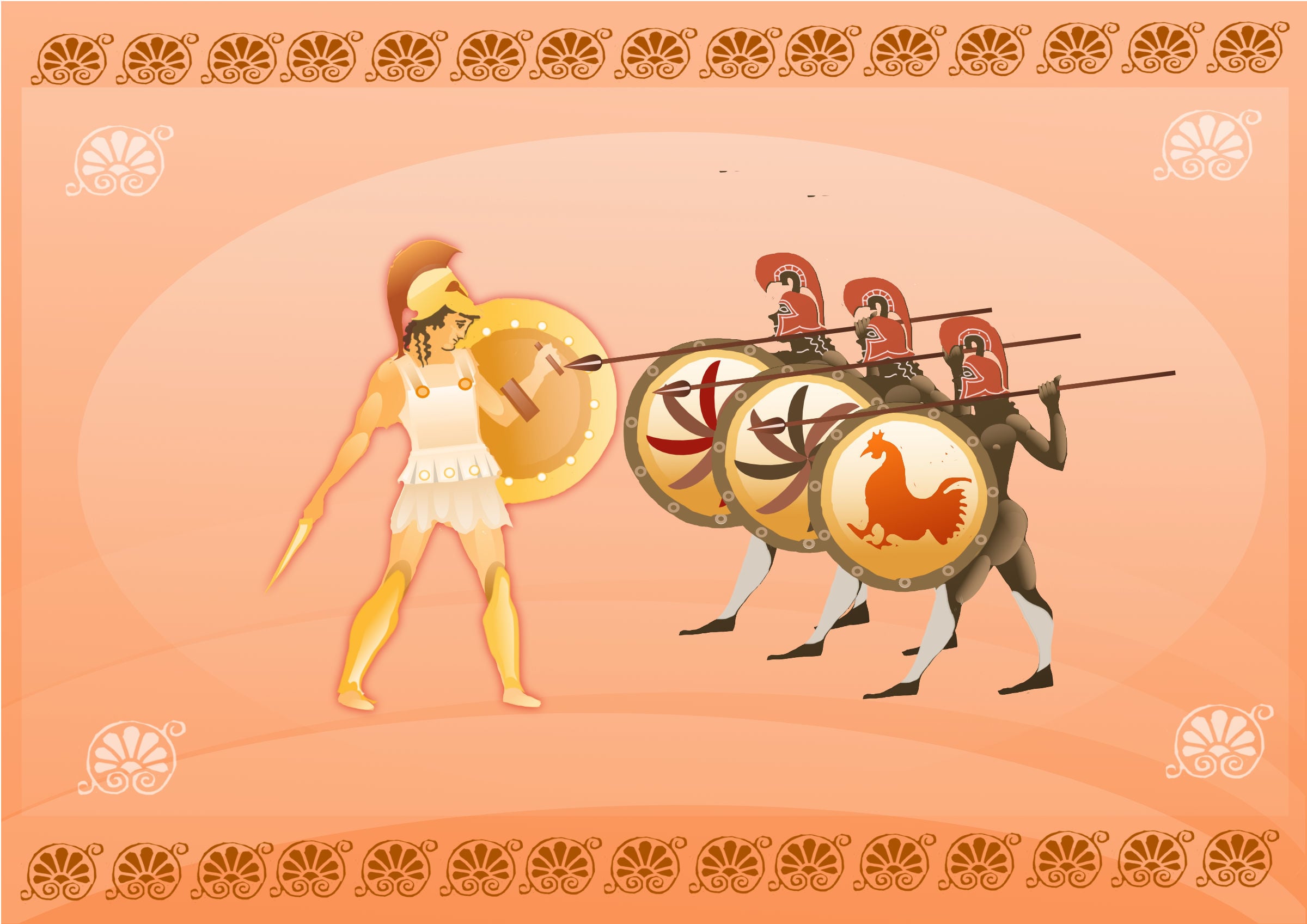
Kodros (or Codrus) was the last legendary king of Athens, remembered not for conquest or glory in battle, but for an extraordinary act of self-sacrifice that saved his city. During a time of war with the Dorians—an invading people threatening the very survival of Athens—the oracle at Delphi prophesied that the Dorians would be victorious only if they did not kill the Athenian king.
When Kodros learned of this prophecy, he disguised himself as a common man, ventured into enemy territory, and deliberately provoked the Dorians into killing him. Upon discovering that they had slain the Athenian king, the invaders, fearing they had doomed their campaign, withdrew in panic. Thus, Kodros’ willing death preserved the freedom of Athens. His noble act was so revered by the Athenians that they declared no one after him could be worthy of the title “king."
Instead, future rulers held the office of archon, a more limited and democratic role, marking a symbolic shift from monarchy toward Athens’ later democratic ideals. Kodros became a powerful symbol of patriotism, selflessness, and devotion to the city, and his story was passed down through generations as a moral and civic exemplar for all Athenians.
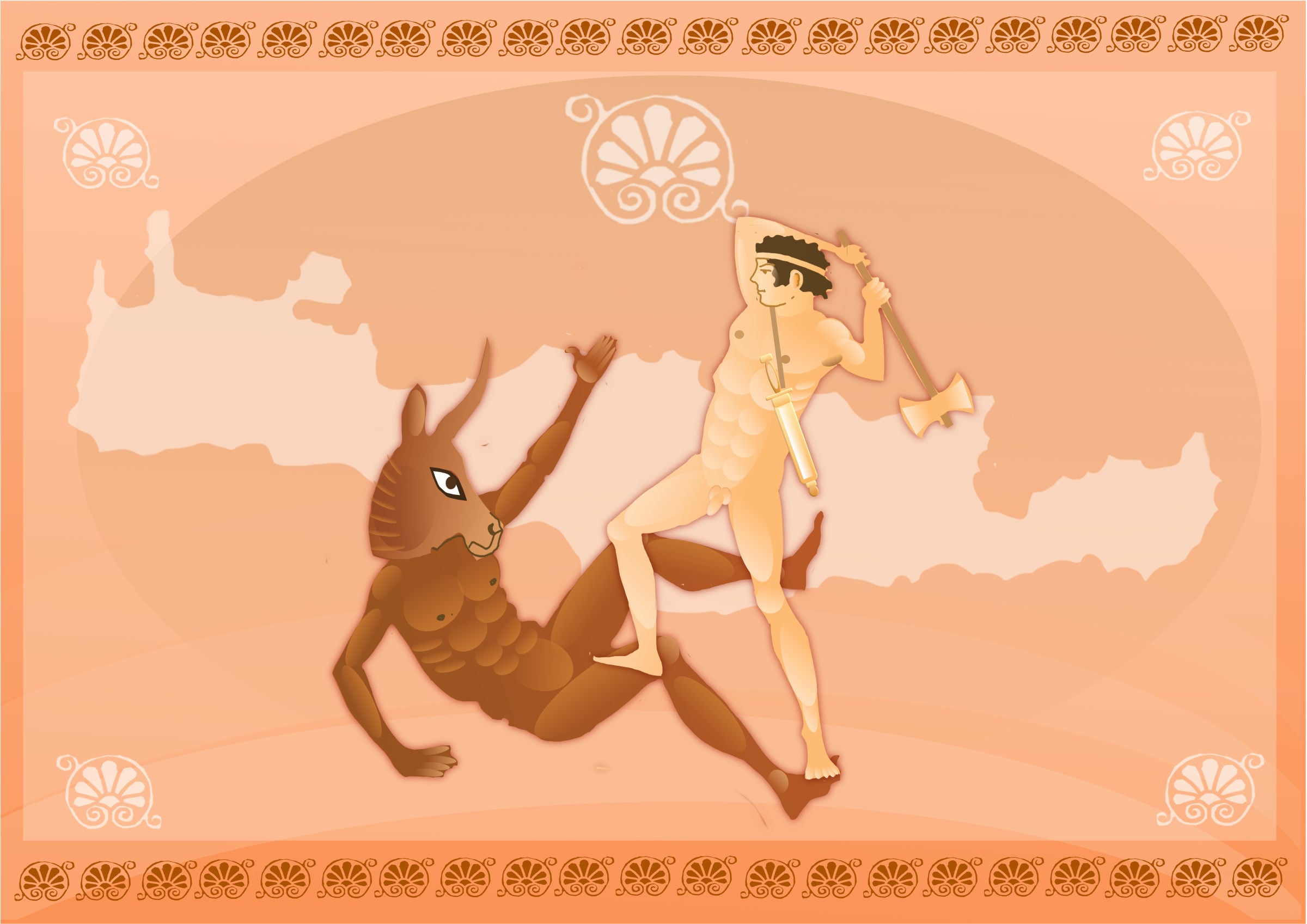
Among the greatest heroes of Greek mythology, Theseus stands as a symbol of Athenian courage, intelligence, and unity. Born of both royal and possibly divine lineage—his father was Aegeus, king of Athens, though some myths claim Poseidon as his true sire—Theseus grew up far from the city, unaware of his noble heritage. Upon coming of age, he lifted a great stone to retrieve his father's sword and sandals, setting off on a perilous journey to Athens. Along the way, he defeated a series of monstrous bandits and criminals, purging the roads of chaos and proving himself a protector of justice.
But it was in Crete that Theseus achieved his most legendary feat: entering the Labyrinth to slay the monstrous Minotaur, a half-man, half-bull creature that devoured Athenian youths sent as tribute. With the help of Ariadne, daughter of King Minos, Theseus used a ball of thread to find his way out after killing the beast, liberating Athens from its humiliating obligation. Upon returning, however, he forgot to change the ship’s black sails to white, a signal of success, and his father Aegeus, believing his son dead, threw himself into the sea—thus giving the Aegean Sea its name.
As king, Theseus went on to unify the scattered villages of Attica into one polis, laying the foundation for democratic Athens. He embodied the ideal of the noble and civic-minded hero, and after his death, the Athenians worshipped him as a national founder and protector.
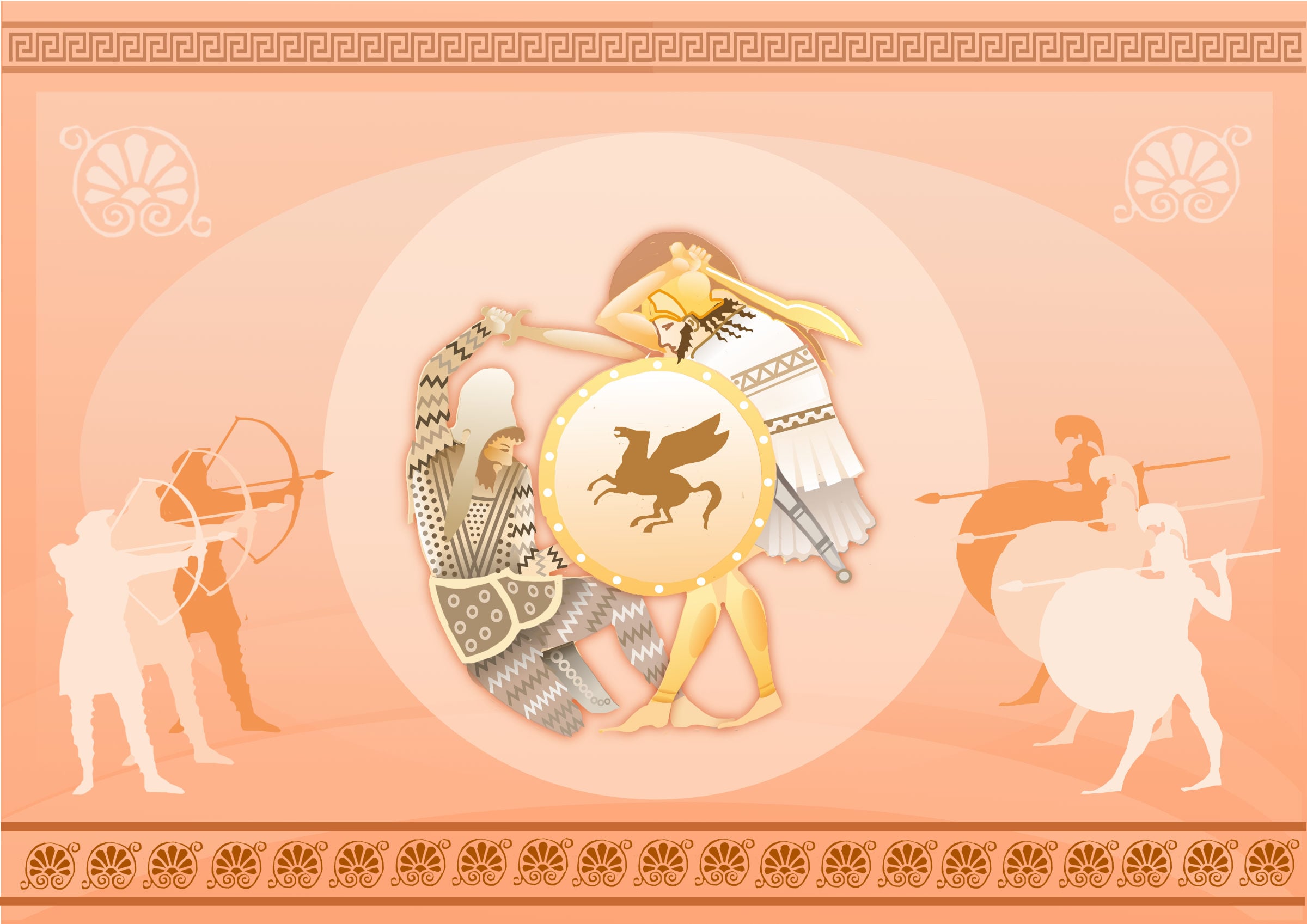
The Battle of Marathon, fought in 490 BCE, stands as a defining moment in both Athenian pride and the defense of Greek civilization against Persian conquest. When King Darius I of Persia launched an invasion to punish Athens for its support of the Ionian Revolt, his massive army landed on the plain of Marathon, just 26 miles from the city. Facing this overwhelming force, the Athenians, led by the general Miltiades, chose to meet the Persians head-on with a force of only around 10,000 hoplites—fiercely disciplined citizen-soldiers.
Despite being vastly outnumbered, the Athenians launched a bold and unexpected attack, running across the plain to avoid Persian archers. Their courage and tight formations broke the Persian lines, resulting in a stunning victory that cost the invaders over 6,000 men, while Athens suffered fewer than 200 losses. This triumph proved that the mighty Persian Empire was not invincible and gave Athens a newfound confidence in its military strength and political independence.
According to later legend, a messenger named Pheidippides ran from Marathon to Athens to announce the victory, collapsing and dying from exhaustion—an inspiring tale that gave rise to the modern marathon race. The Battle of Marathon became a sacred memory in Athenian identity: not just a military success, but a symbol of freedom, unity, and the power of a small democracy to stand against tyranny.
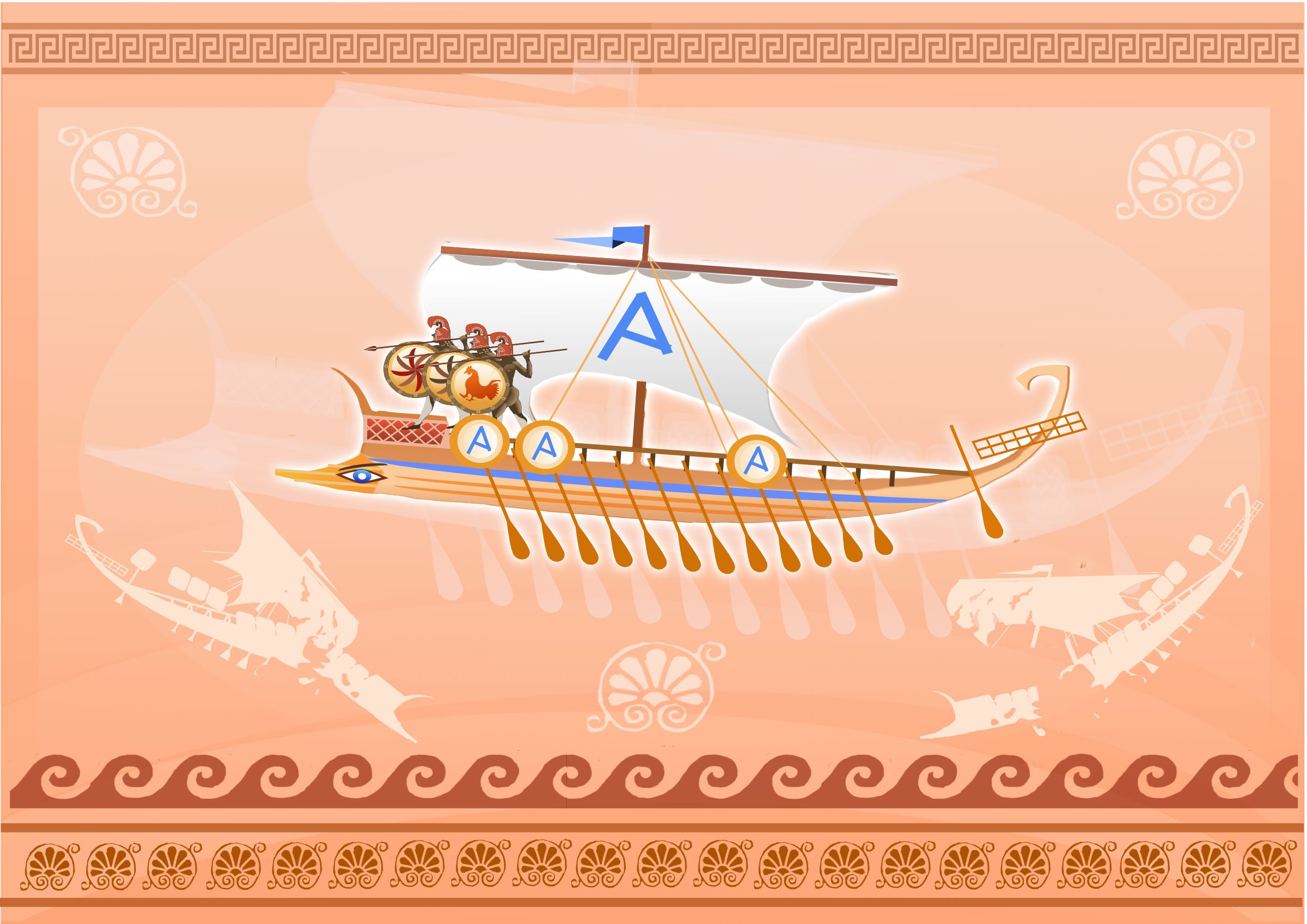
The Naval Battle of Salamis, fought in 480 BCE, was a turning point in the Greco-Persian Wars and a triumph that cemented Athens as a rising naval power in the ancient world. After the fall of Thermopylae and the burning of Athens by the Persian king Xerxes I, the Greek forces seemed on the brink of defeat.
But under the cunning leadership of the Athenian general and statesman Themistocles, the Greek fleet—comprised of ships from various city-states, but dominated by Athenian triremes—lured the much larger Persian navy into the narrow straits of Salamis, an island off the coast of Attica. Themistocles used strategy over strength, knowing that the Persian fleet’s size would be a disadvantage in the confined waters. As the Persians struggled to maneuver, the smaller, faster Greek ships struck with deadly precision, ramming and boarding the enemy vessels.
The result was a decisive Greek victory: hundreds of Persian ships were destroyed, and Xerxes, stunned by the loss, retreated to Asia with the bulk of his army. This battle not only saved Greece from conquest but also marked the beginning of Athens’ golden age. In the wake of the victory, Athens emerged as the leader of the Delian League, transformed into a maritime empire, and began to shape the political, cultural, and intellectual life of the classical world. The Battle of Salamis became more than a military success—it was a defining moment of Athenian ingenuity, resilience, and national destiny.

 Maps © 2026 TerraNaviga.com
 Development © 2026 imb.gr