


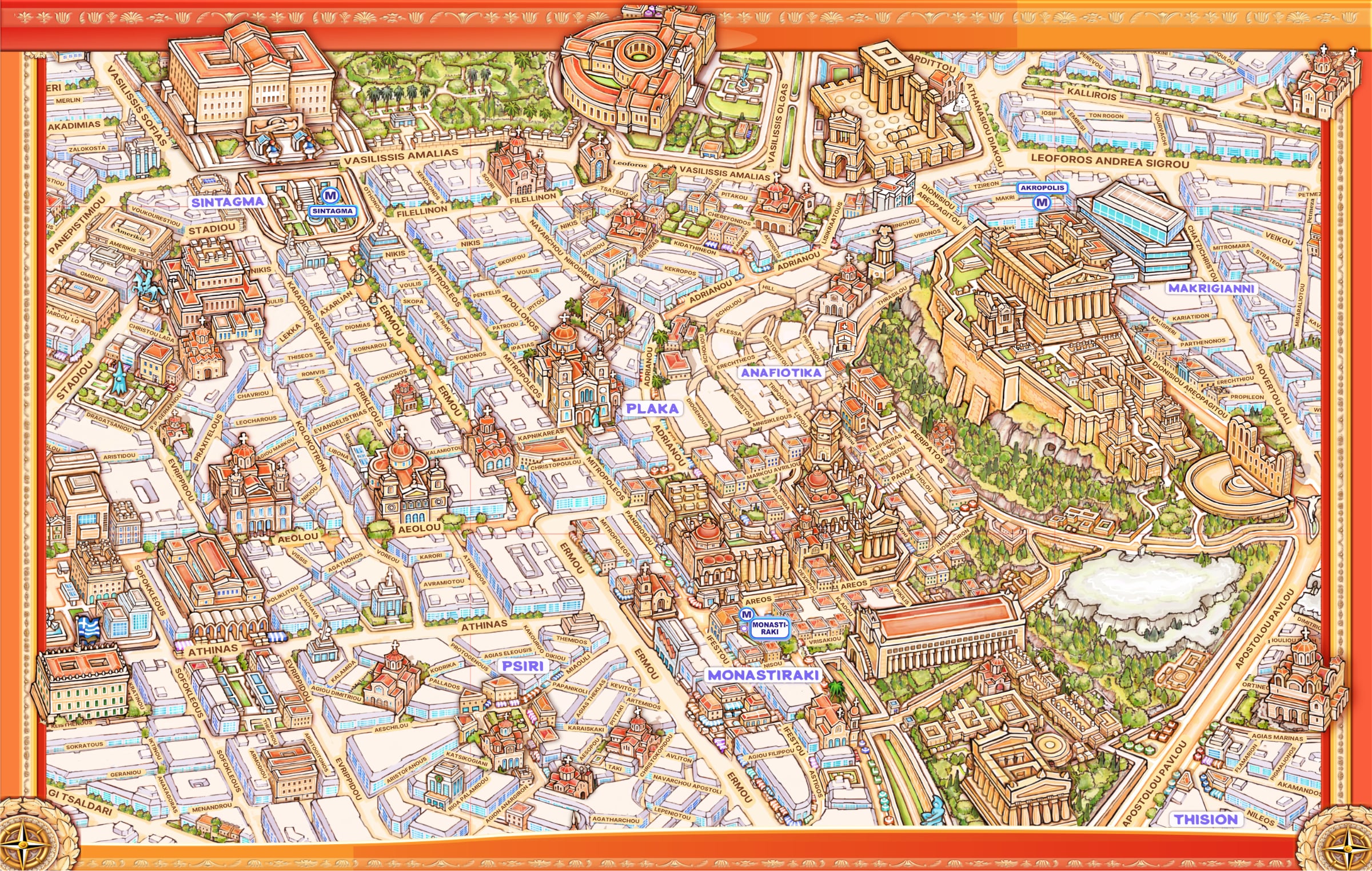
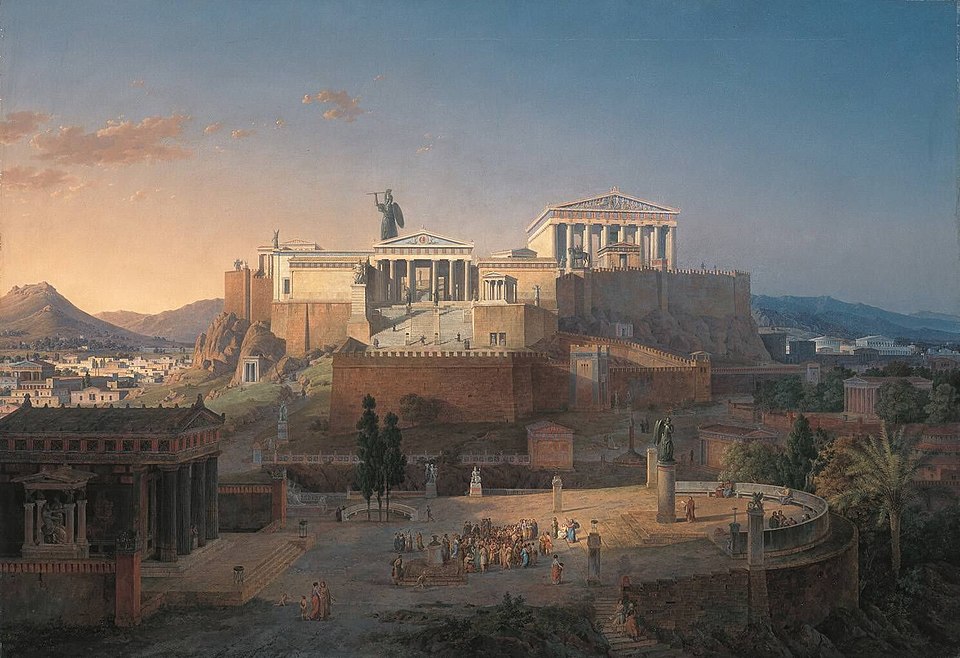
The Acropolis of Athens, Located on a rocky outcrop above the city of Athens, has been a center of political, religious, and cultural life for millennia. Its ancient structures, many of which are still standing, embody the architectural and artistic achievements of the 5th century BCE, a period known as the "Golden Age of Athens.”
The Acropolis has been inhabited since the Neolithic period, but it was during the 5th century BCE, under the leadership of the Athenian statesman Pericles, that the site was transformed into a monumental complex of temples, statues, and other structures. This era coincided with Athens' rise to political and cultural dominance in the ancient Greek world, following their victory over the Persians in the Battle of Marathon (490 BCE) and the Battle of Salamis (480 BCE). The Acropolis served as both a religious sanctuary dedicated to the city’s patron goddess, Athena, and a symbol of Athenian power and pride.
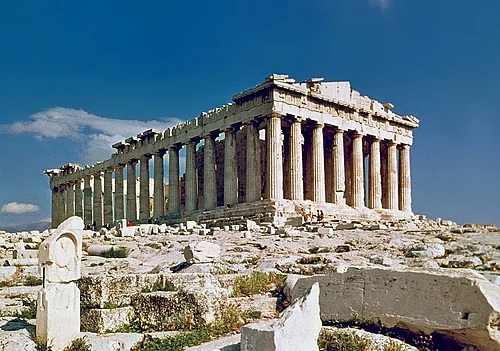
The Parthenon is a magnificent temple located on the Acropolis of Athens, dedicated to Athena, the city's patron goddess. Built between 447 and 438 BCE during the height of Athens' Golden Age, it is considered one of the most iconic symbols of ancient Greek architecture. Designed by the architects Iktinos and Kallikrates, and adorned with sculptural masterpieces by Phidias, the Parthenon exemplifies classical Greek ideals of beauty, proportion, and harmony. Today, it stands as a symbol of the cultural achievements of ancient Greece and continues to inspire awe around the world.
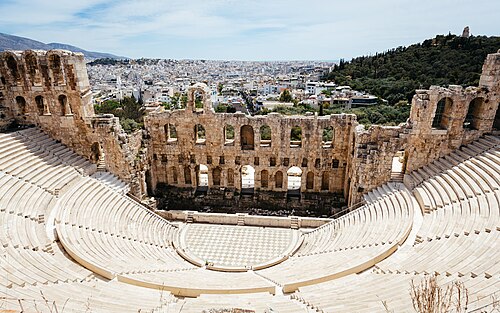
The Odeon of Herodes Atticus (or Odeon of Herodes Atticus) is a grand ancient theatre located at the foot of the Acropolis in Athens. Built in 161 CE by the Roman aristocrat Herodes Atticus in memory of his wife, Regilla, the Odeon is an exceptional example of Roman architecture in Athens. It was originally a wooden-roofed structure designed for musical performances and theatrical events. With a seating capacity of around 5,000 spectators, the Odeon was used for concerts, poetry readings, and other cultural events during the Roman period. Today, it stands as a stunning venue for modern performances, including concerts and theatre, as part of the Athens Festival.
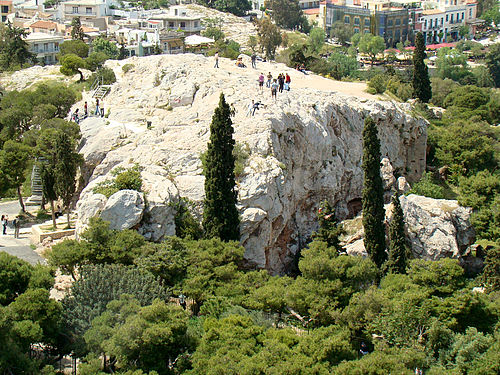
Areopagus (or Arios Pagos) is a prominent rock outcrop located just west of the Acropolis of Athens. In ancient times, it was the site of a council, known as the Areopagus Council, which was composed of former magistrates and served as a key judicial and legislative body in Athens. The Areopagus is also famously associated with the apostle Paul, who, according to the New Testament, delivered his famous sermon on the hill to the Athenians about the "unknown god" (Acts 17:22-31). Today, the Areopagus offers stunning views of the Acropolis and the city of Athens, and it remains a significant historical and cultural landmark.
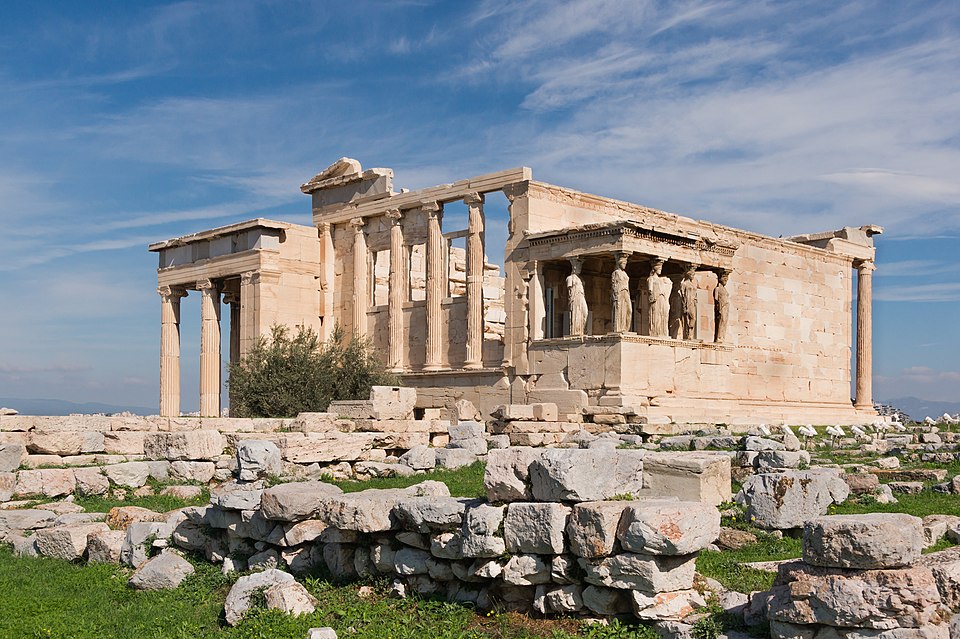
The Erechtheum is an ancient temple on the Acropolis of Athens, built between 421 and 406 BCE. It was dedicated to both Athena and Poseidon, and is renowned for its unique, asymmetrical design, which was adapted to the uneven terrain of the Acropolis. The temple is most famous for its southern porch, supported by the Caryatids, six beautifully sculpted female figures that serve as columns. The Erechtheum is also historically significant for being the mythical site of the contest between Athena and Poseidon for the patronage of Athens, as well as for housing the sacred olive tree said to have been planted by Athena herself.
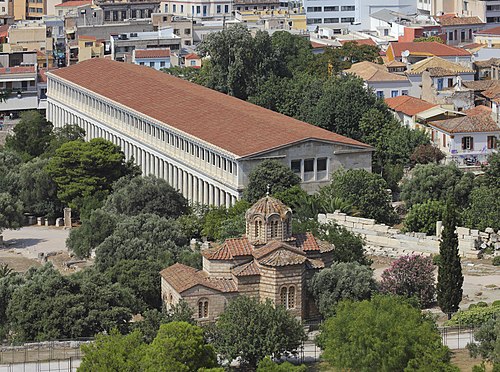
Originally built in the 2nd century BCE by King Attalos II of Pergamon, it was a covered portico or colonnade that provided space for shopping, socialising, and public activities. The Stoa was an important part of Athenian civic life, serving as a marketplace and a gathering place for intellectual discussions. The structure consists of two stories of columns in the Ionic style, and it was rebuilt in the 1950s by the American School of Classical Studies, using the original stones. Today, the Stoa houses the Museum of the Ancient Agora, displaying artefacts and providing insight into the history of Athens and the Agora itself.
https://en.wikipedia.org/wiki/Stoa_of_Attalos
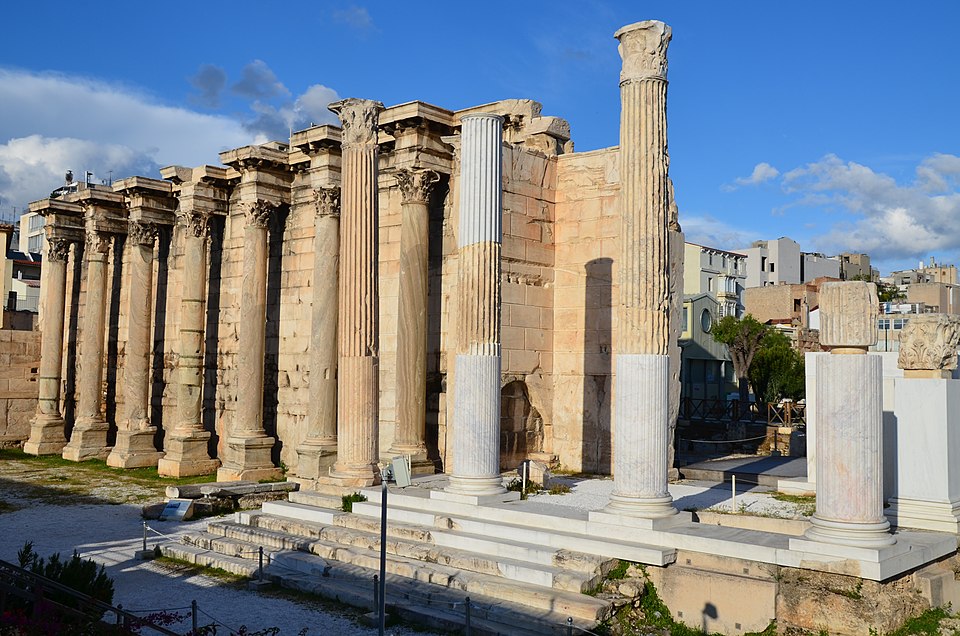
Hadrian's Library is an ancient structure located in the heart of Athens, near the Roman Agora. It was built by the Roman Emperor Hadrian in 132 CE to serve as both a library and a cultural center. The library housed a vast collection of scrolls and books, making it an important intellectual hub of the time. The library was not only a place for the storage of books but also for philosophical discussions and intellectual pursuits. Hadrian's Library is known for its magnificent architectural style, combining Roman and Greek influences.
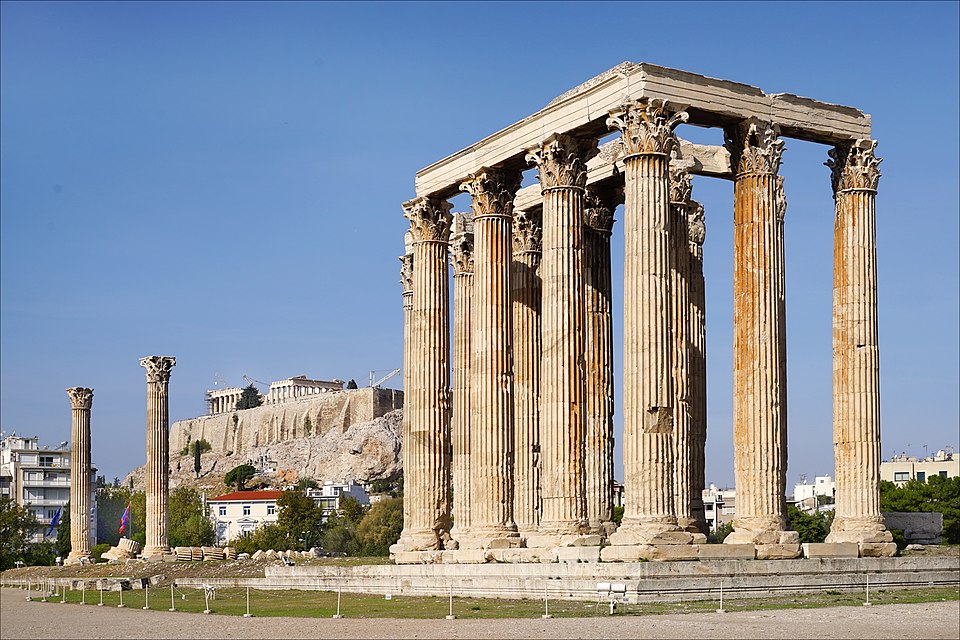
The Temple of Olympian Zeus (also known as the Olympeion) is an ancient temple located southeast of the Acropolis in Athens. It was dedicated to Zeus, the king of the Greek gods, and was one of the largest temples in the ancient world. Construction began in the 6th century BCE under the tyrant Peisistratus, but it was not completed until the reign of the Roman Emperor Hadrian in the 2nd century CE, over 600 years later.
The temple was designed in the Corinthian order and originally featured 104 columns, of which 15 remain standing today.
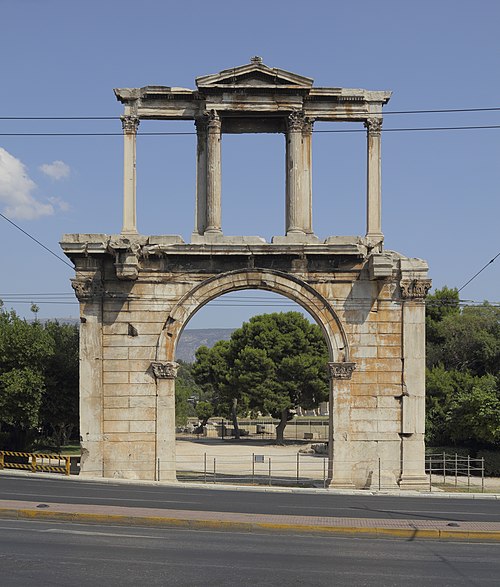
Hadrian's Gate is an ancient monumental gateway located in Athens, built in 132 CE by the Emperor Hadrian to celebrate his contributions to the city. The gate marked the boundary between the ancient Greek city and the Roman quarter of Athens, symbolising the city’s transition under Roman rule. Hadrian's Gate is located near the Temple of Olympian Zeus and remains an important historical landmark, symbolising the relationship between Athens and Rome during the Roman Empire.
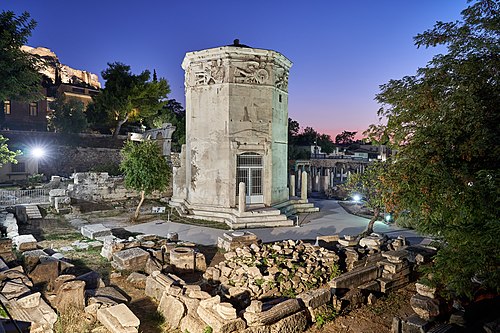
The Tower of the Winds is an ancient octagonal structure located in the Roman Agora of Athens, built around the 1st century BCE. This remarkable building served as both a weather vane and a water clock (known as an hydraulic clock), and was used to measure time during the day and night. Each of the eight sides of the Tower of the Winds depicts a wind god, representing different directions from which the winds blew. The tower's upper portion contained a bronze vane that spun in the wind, signalling the direction of the breeze, while the lower section housed a sophisticated water clock to measure time.
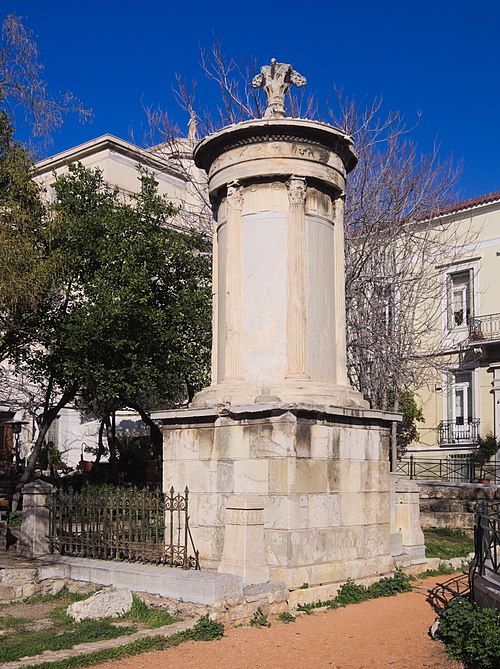
The Monument of Lysicrates is a well-preserved ancient Greek monument located in Athens, near the foot of the Acropolis. Built in 334 BCE, it was erected by Lysicrates, a wealthy patron of the arts, to commemorate his victory in the Dionysian festival's theatrical competition. Lysicrates, who was a choregos (a wealthy sponsor of theatrical performances), funded the production of a play that won first prize at the festival.
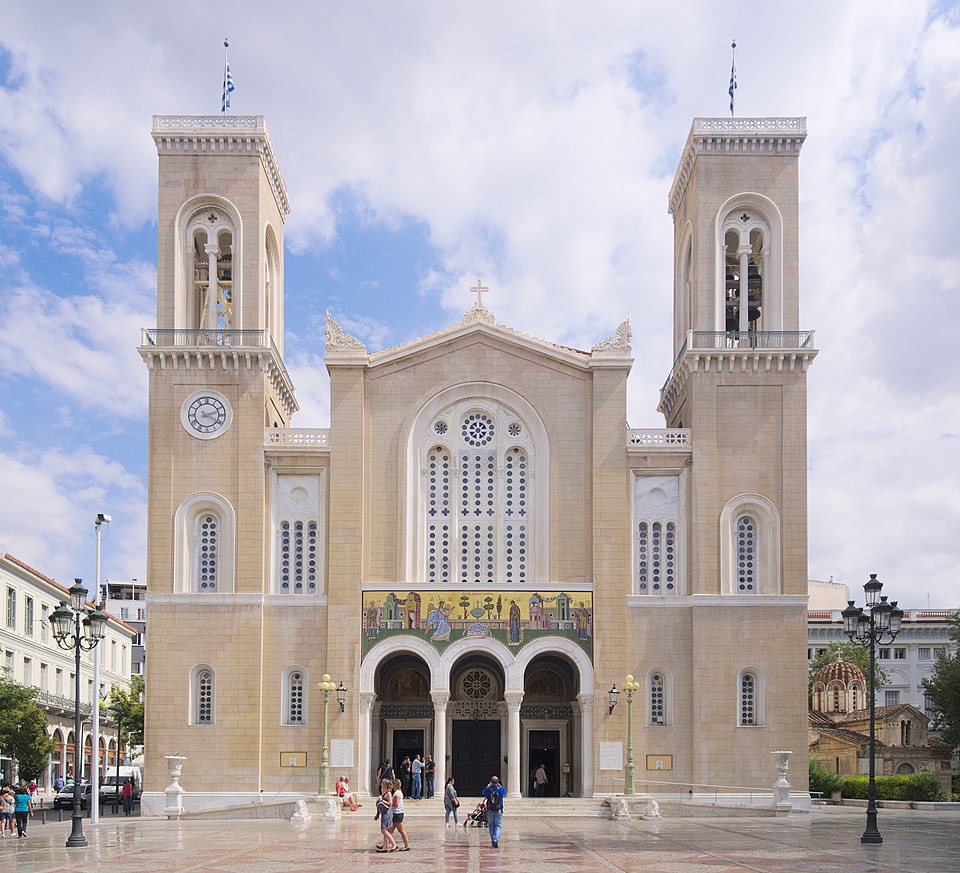
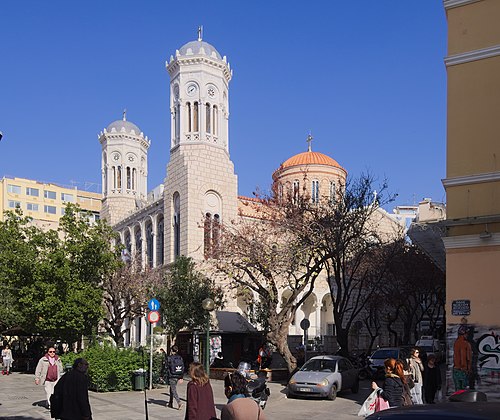
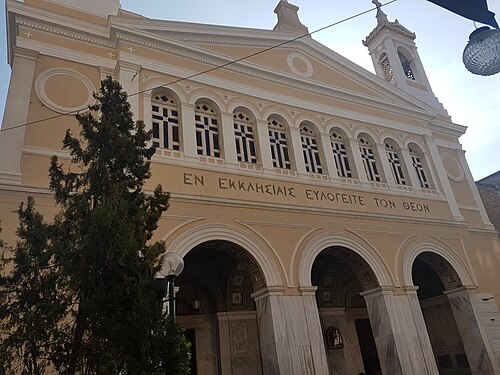
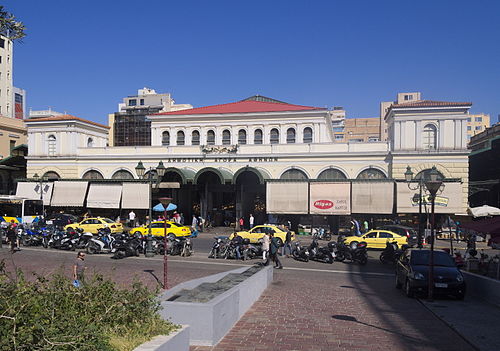
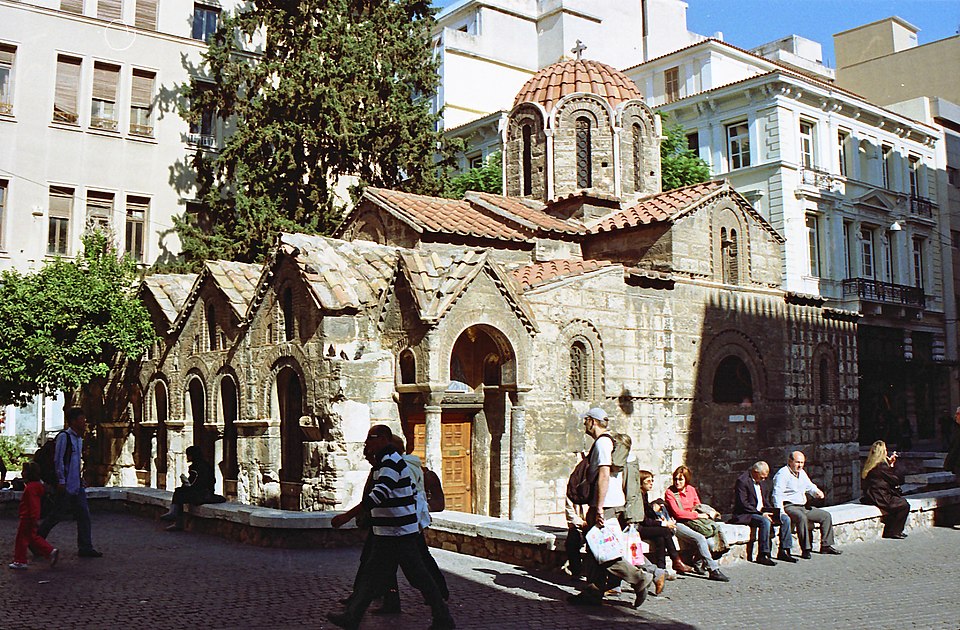
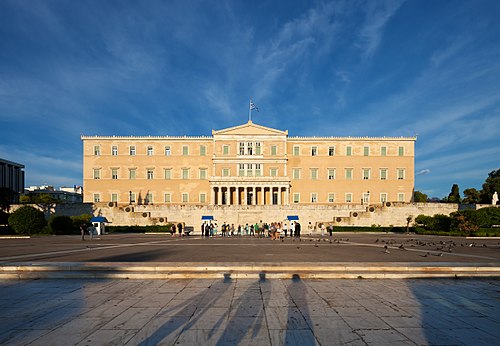
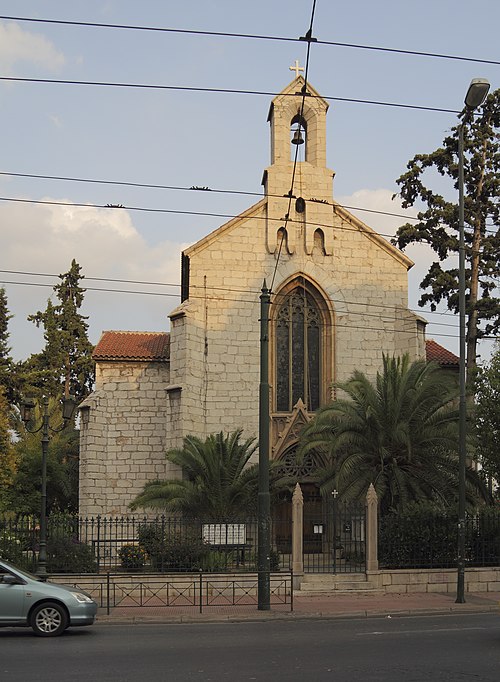
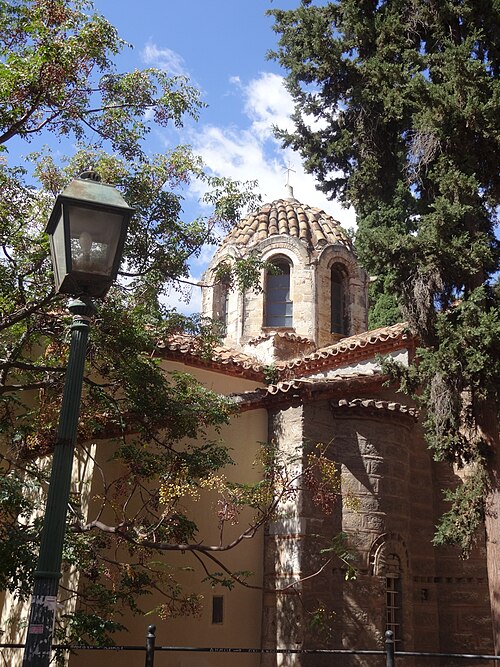
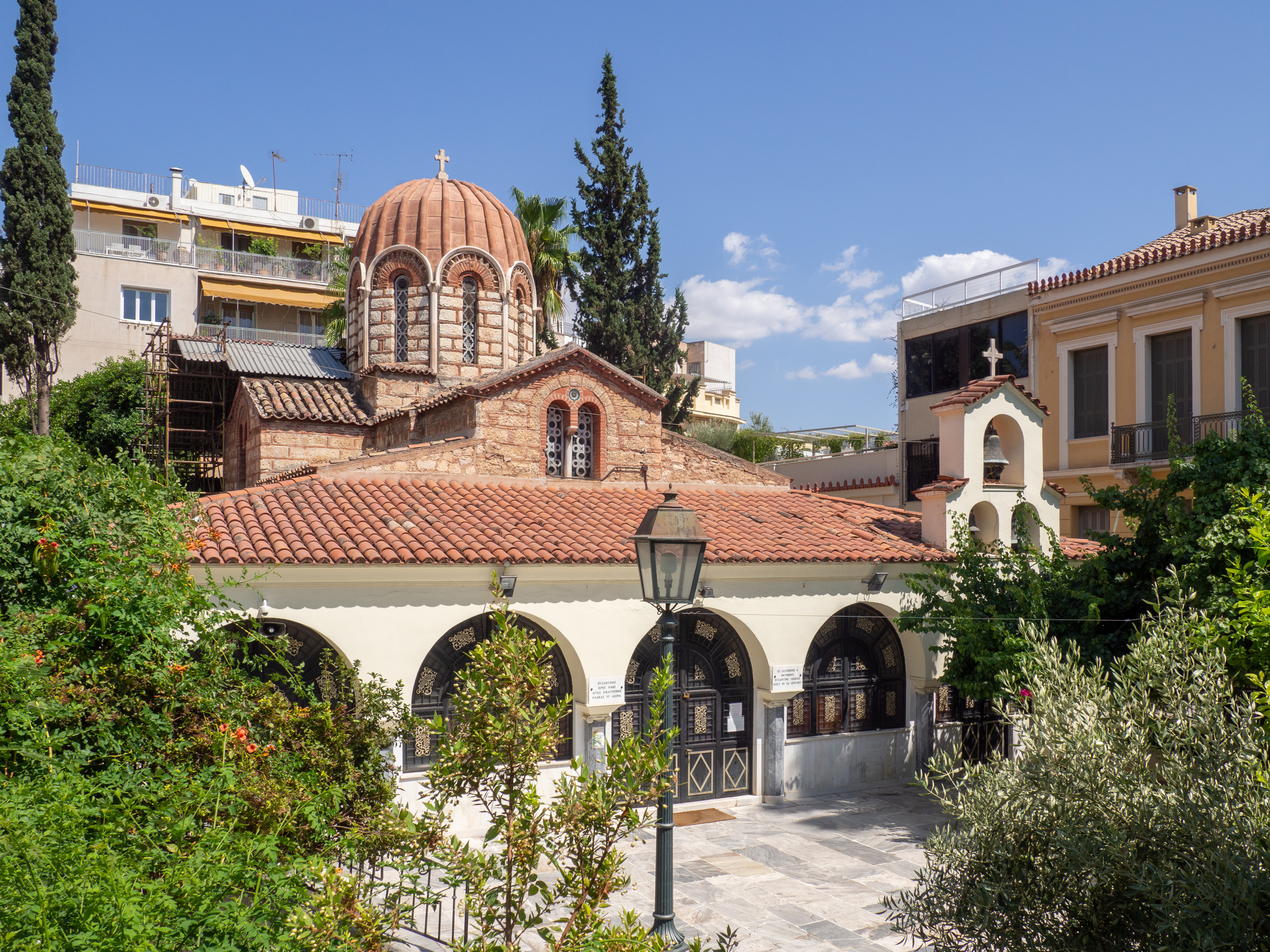
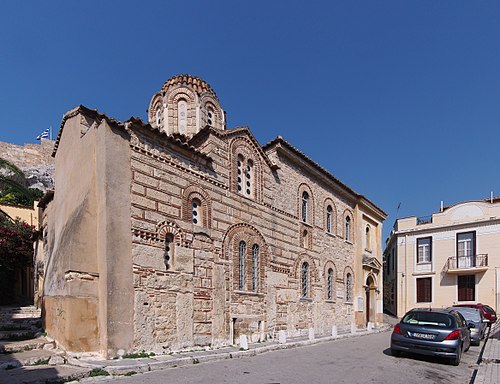
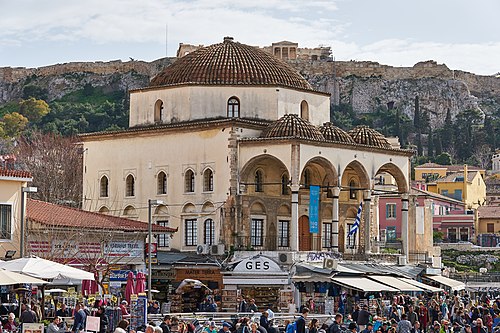
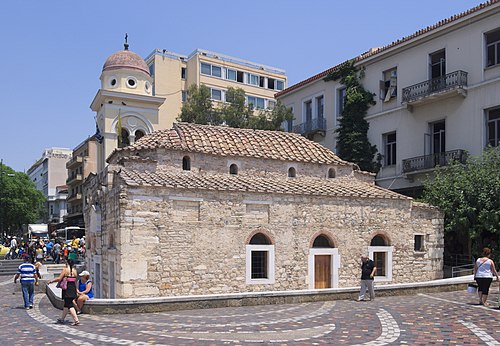
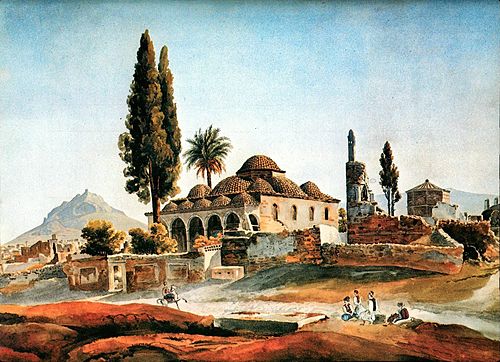
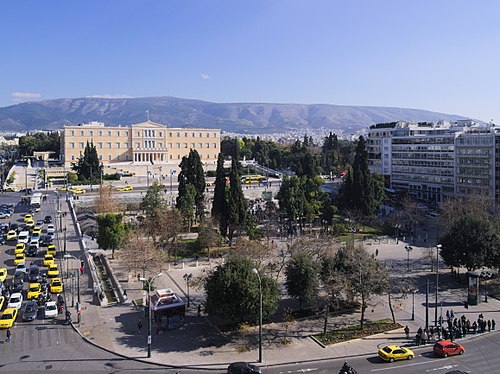
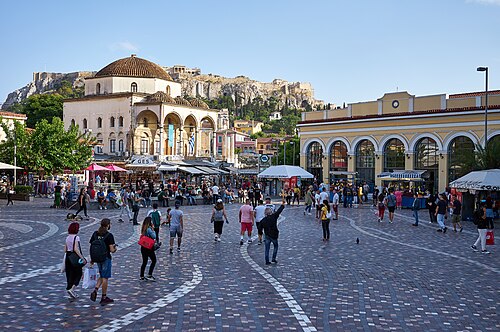
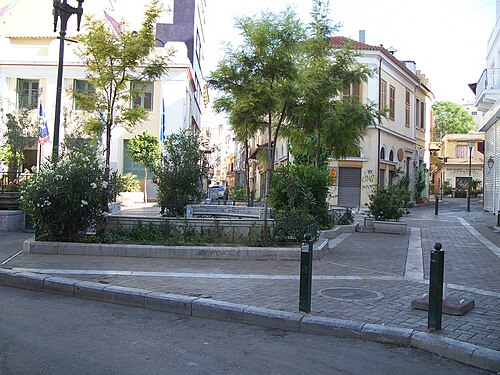
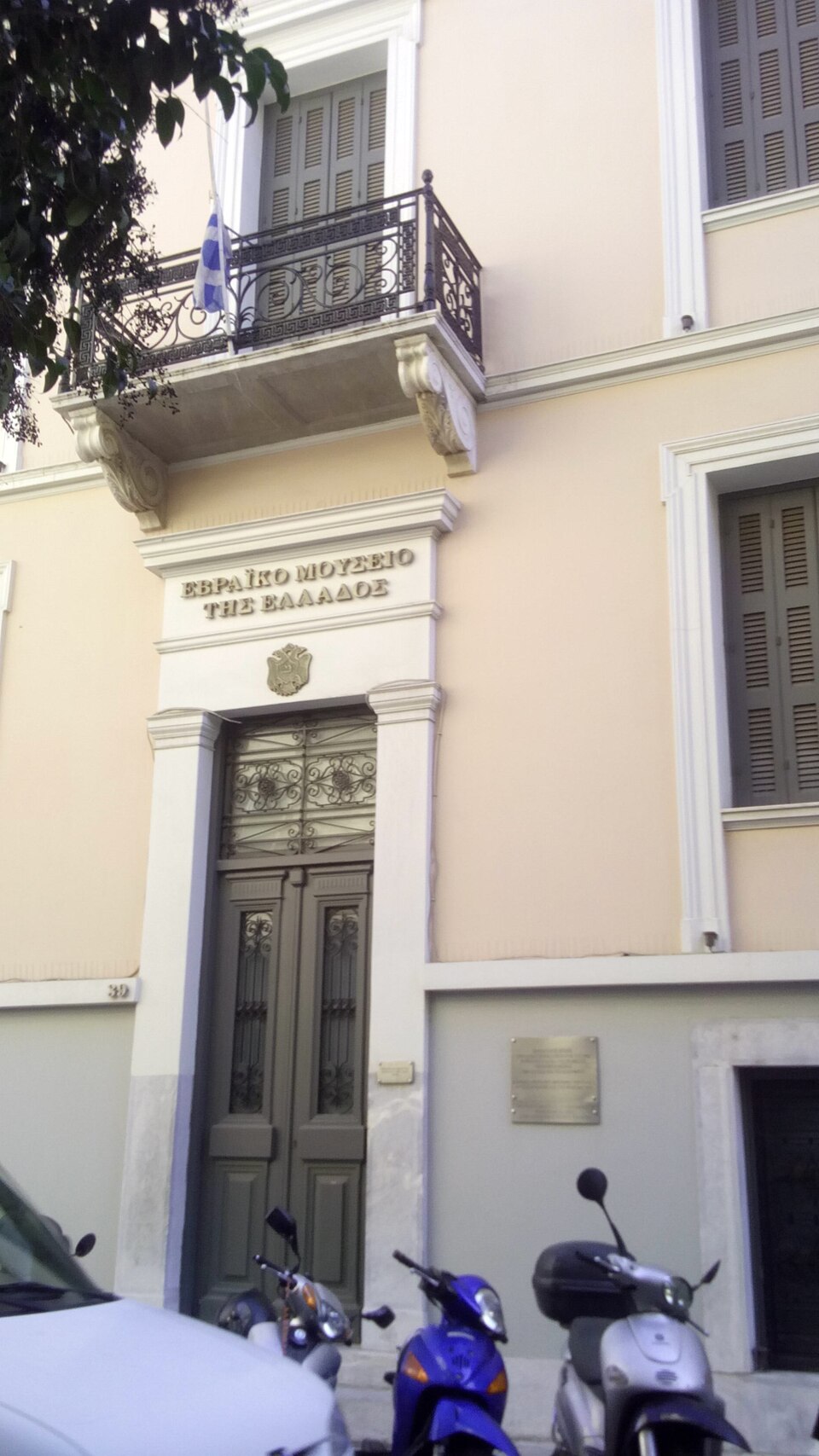
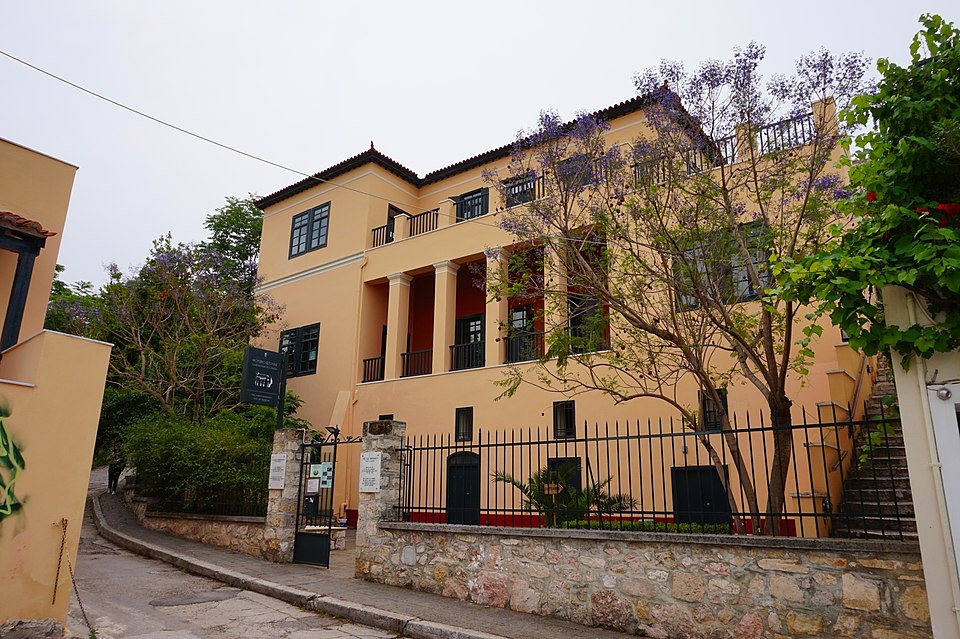
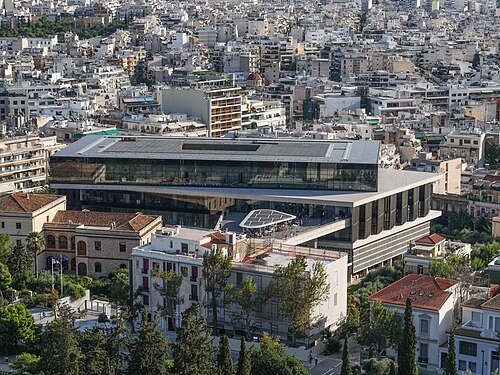
Ermou Street is one of the main commercial avenues in Athens, stretching from Syntagma Square to Monastiraki. Lined with shops, cafés, and historic buildings, it is a lively destination for both shopping and leisure. The street blends modern retail with cultural landmarks, including the small but notable Kapnikarea Church. Always busy with locals and visitors, Ermou Street captures the vibrant everyday rhythm of the city. Together with nearby squares, it serves as a key route for exploring central Athens.

 Maps © 2026 TerraNaviga.com
 Development © 2026 imb.gr