


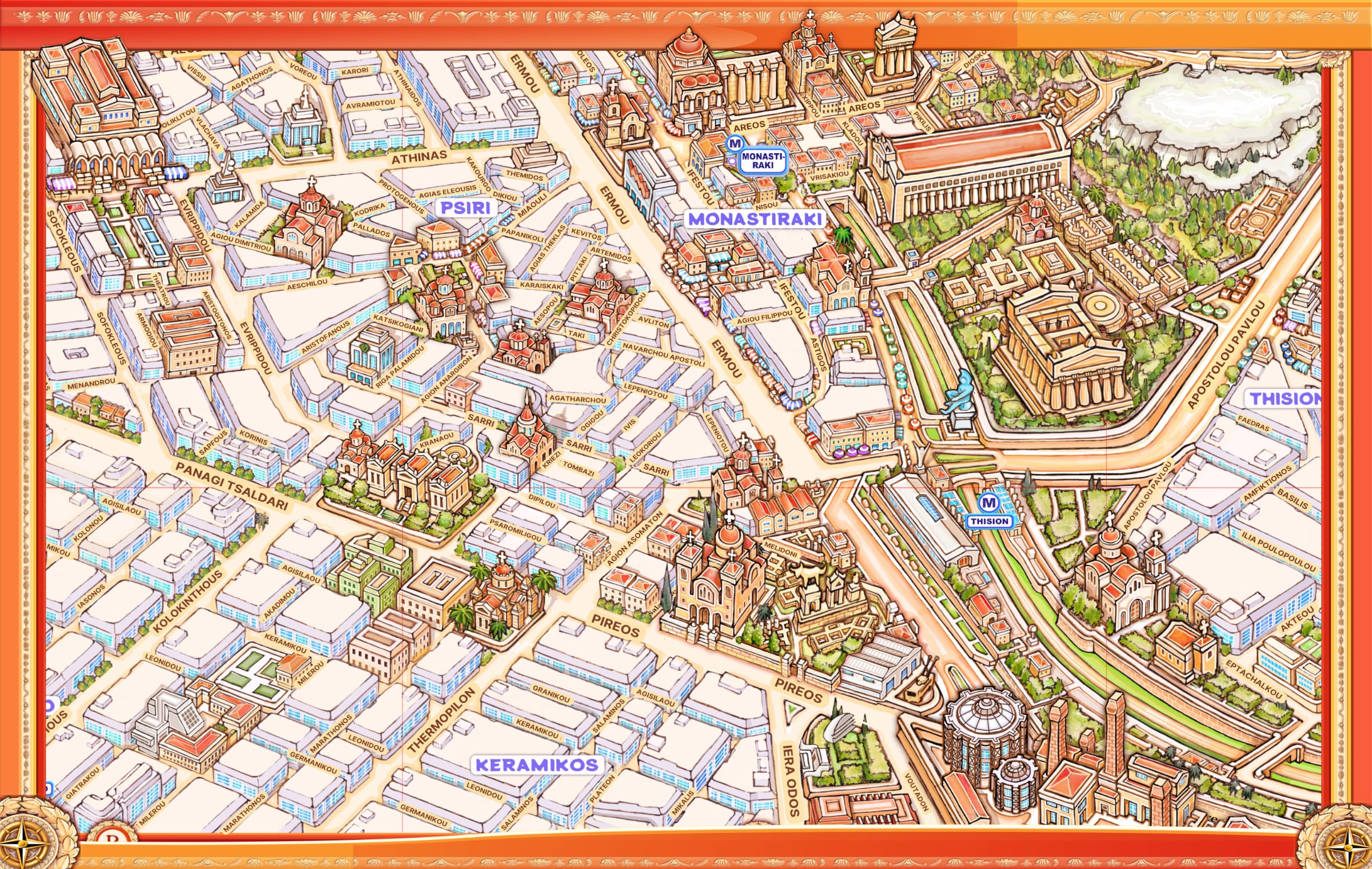
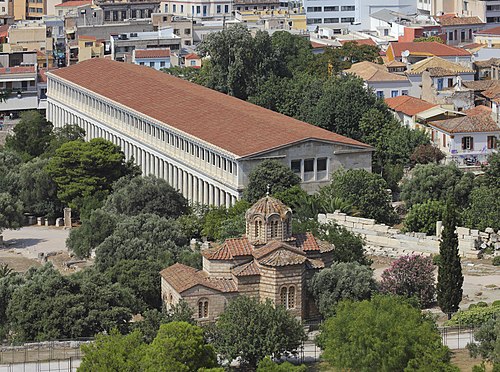
Originally built in the 2nd century BCE by King Attalos II of Pergamon, it was a covered portico or colonnade that provided space for shopping, socialising, and public activities. The Stoa was an important part of Athenian civic life, serving as a marketplace and a gathering place for intellectual discussions. The structure consists of two stories of columns in the Ionic style, and it was rebuilt in the 1950s by the American School of Classical Studies, using the original stones. Today, the Stoa houses the Museum of the Ancient Agora, displaying artefacts and providing insight into the history of Athens and the Agora itself.
The Ancient Agora of Athens was the heart of public life in ancient Athens, serving as a marketplace, political center, and gathering place from the 6th century BCE. It was home to key structures like the Temple of Hephaestus, the Stoa of Attalos, and the Bouleuterion. Philosophers like Socrates engaged in discussions here, and it played a vital role in the development of Athenian democracy. Today, the site offers a glimpse into ancient Greek daily life and is home to a museum housed in the reconstructed Stoa of Attalos.
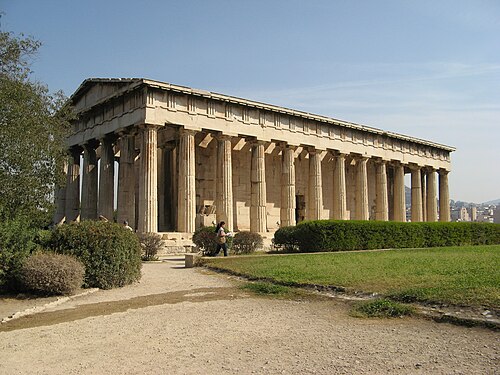
The Temple of Hephaestus, also known as the Theseion, is an ancient Greek temple located in the Agora of Athens, near the western edge of the Acropolis. Dedicated to Hephaestus, the god of metalworking, craftsmanship, and fire, the temple was built around 449 BCE during the height of Athens' Golden Age, likely under the leadership of Pericles.
The Temple of Hephaestus is one of the best-preserved ancient Greek temples, largely due to its continuous use throughout history. It is a Doric temple, characterised by its simple yet elegant design with 34 columns surrounding a rectangular structure. The temple originally housed a statue of Hephaestus and his consort Aphrodite, although the statue has since been lost.
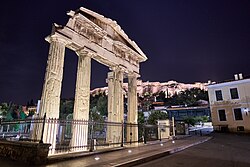
The Pyle Archigētidos (also known as the Archigetes Gate) is an ancient structure located in Athens. It was one of the main entrances to the Acropolis and served as an important ceremonial gateway. The gate was built in honor of the legendary founder of the city, Theseus, and it was also associated with the mythical origin of the Athenian people.Though little remains of the structure today, historical accounts suggest that the Pyle Archigētidos was a monumental gateway that marked the boundary between the sacred area of the Acropolis and the rest of the city.
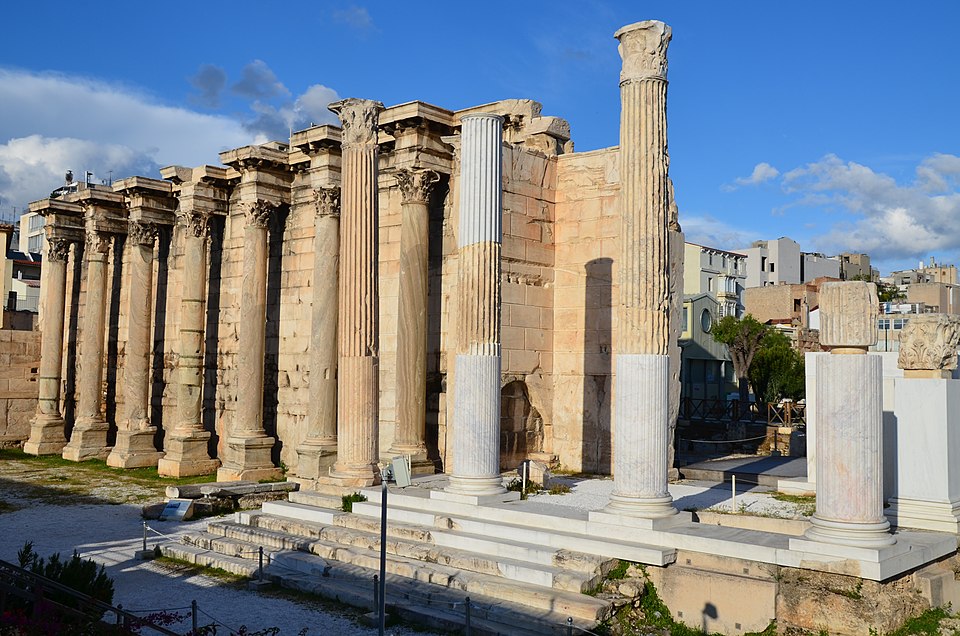
Hadrian's Library is an ancient structure located in the heart of Athens, near the Roman Agora. It was built by the Roman Emperor Hadrian in 132 CE to serve as both a library and a cultural center. The library housed a vast collection of scrolls and books, making it an important intellectual hub of the time. The library was not only a place for the storage of books but also for philosophical discussions and intellectual pursuits. Hadrian's Library is known for its magnificent architectural style, combining Roman and Greek influences.
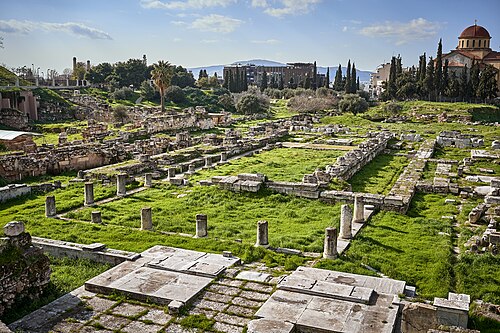
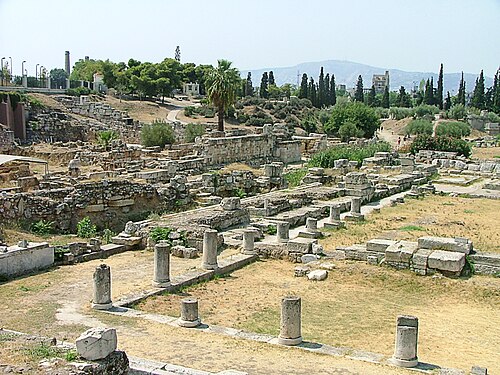
The Kerameikos Archaeological Site is one of the most important ancient sites in Athens, located just northwest of the Acropolis. The area was originally a potter’s district, from which it takes its name ("Kerameikos" meaning "potter's quarter" in Greek), but it later became a major cemetery and the site of various significant public monuments. The site contains both funerary and civic elements, as it was the location of the Ancient Athenian cemetery and the city’s western gate. The Kerameikos Cemetery is especially notable for its well-preserved tombs, including the Socratic tomb, which marks the burial place of famous Athenians.
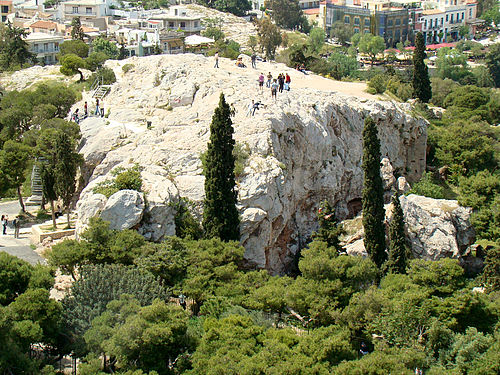
Areopagus (or Arios Pagos) is a prominent rock outcrop located just west of the Acropolis of Athens. In ancient times, it was the site of a council, known as the Areopagus Council, which was composed of former magistrates and served as a key judicial and legislative body in Athens. The Areopagus is also famously associated with the apostle Paul, who, according to the New Testament, delivered his famous sermon on the hill to the Athenians about the "unknown god" (Acts 17:22-31). Today, the Areopagus offers stunning views of the Acropolis and the city of Athens, and it remains a significant historical and cultural landmark.
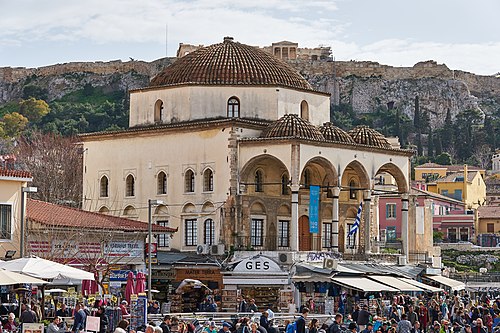
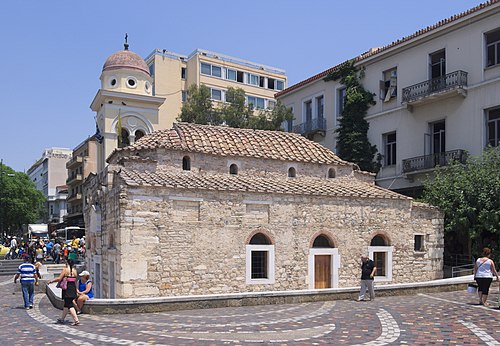
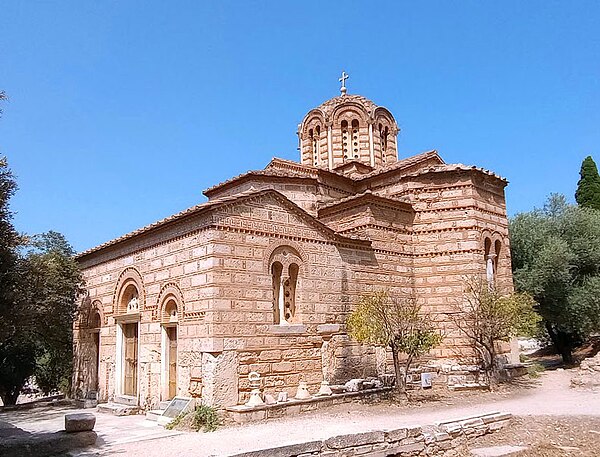
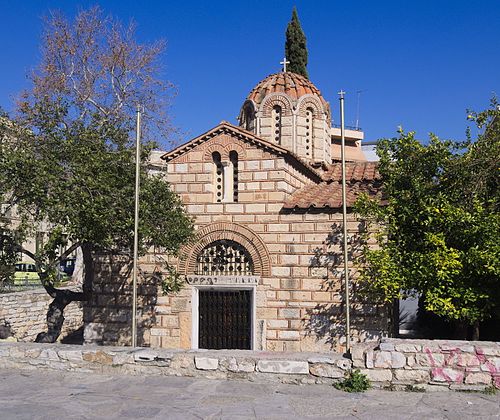
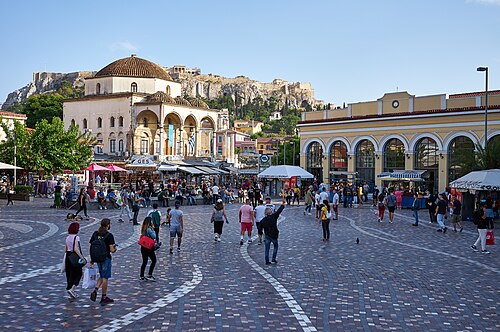
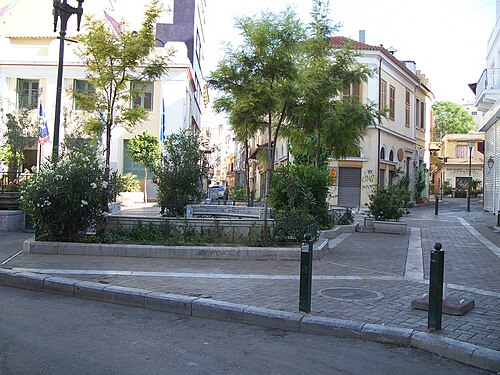
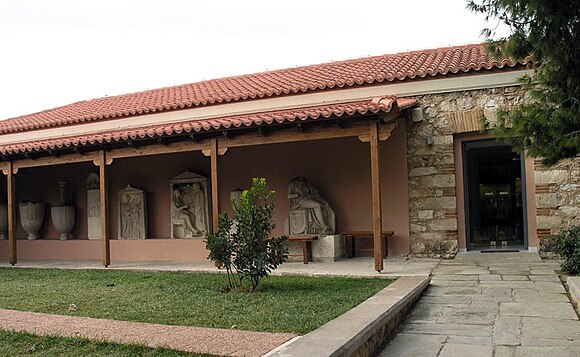
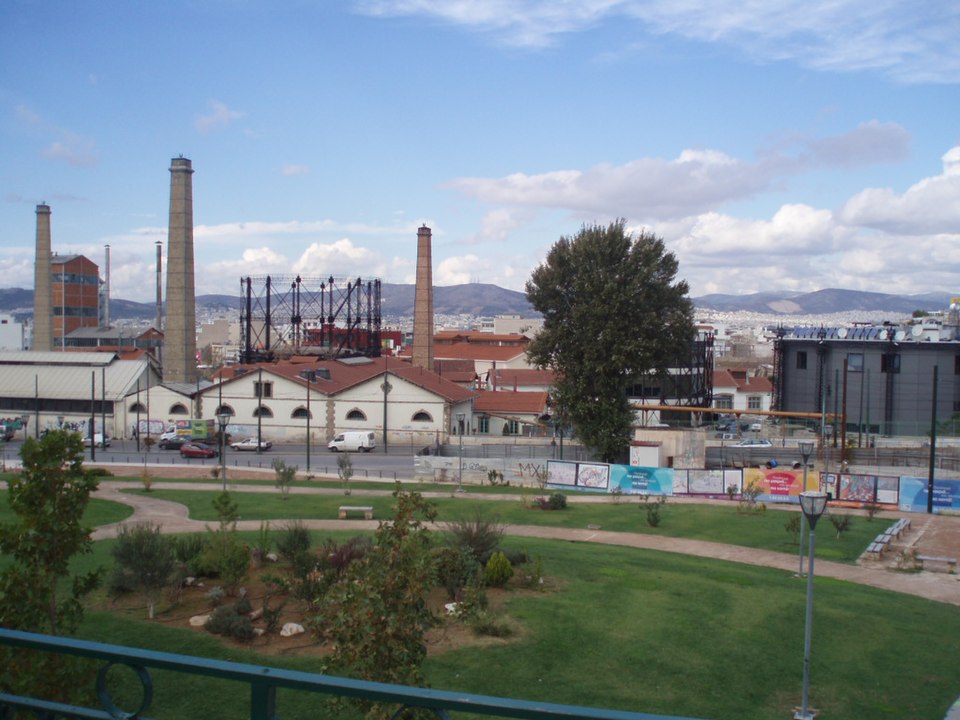
The Kerameikos area is one of Athens’ most atmospheric and historically significant districts, blending ancient heritage with a laid-back modern vibe. At its core lies the Kerameikos Archaeological Site, where visitors can walk among ancient tombs and ruins that reveal the city’s past. Within easy walking distance, you can reach Gazi, known for its nightlife, as well as the Technopolis City of Athens. The area is well served with tourist amenities, including cafés, bars, small galleries, and bike-friendly routes. With its mix of history, open spaces, and urban culture, Kerameikos offers a distinctive and authentic side of Athens.

 Maps © 2026 TerraNaviga.com
 Development © 2026 imb.gr