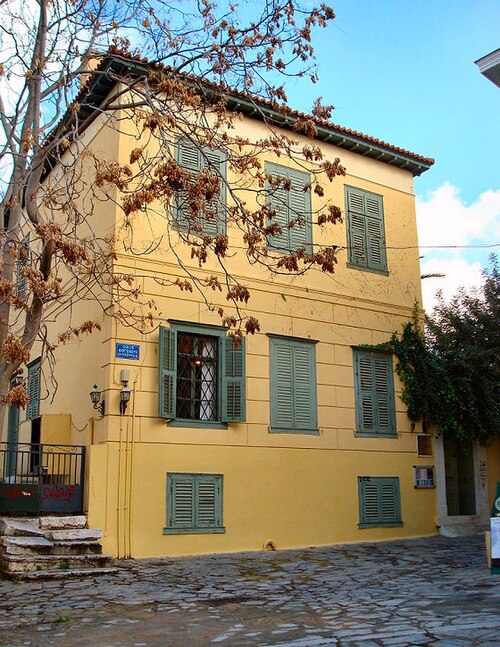
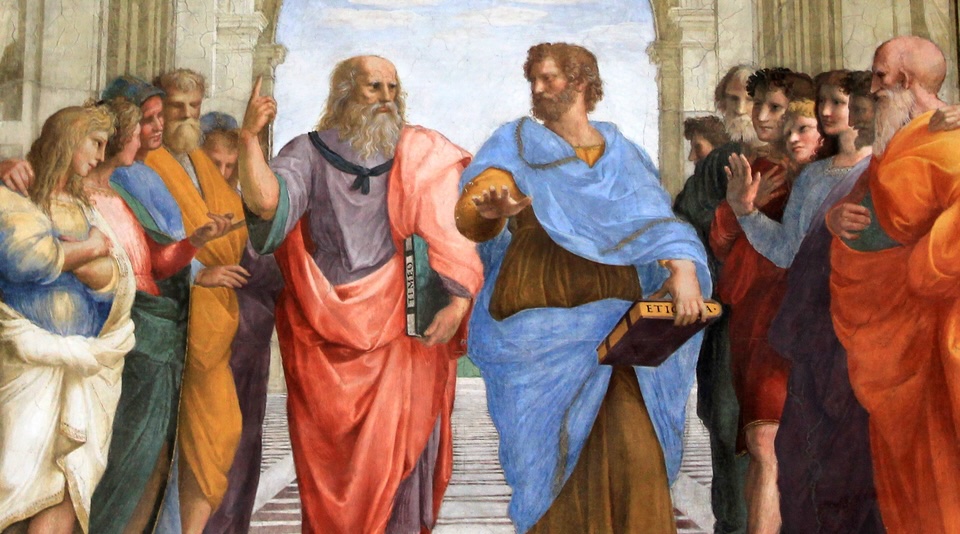
The Aristotle's Lyceum (or Lykeion) was a major philosophical school in ancient Athens, founded by the philosopher Aristotle in 336 BCE. It was located near the river Ilisio, just outside the city center. Aristotle taught there for many years, and it became one of the most influential educational institutions of the ancient world. Over time, the school was succeeded by the Peripatetic school, named after the peripatos (covered walkway) where Aristotle and his students would walk and engage in debate.
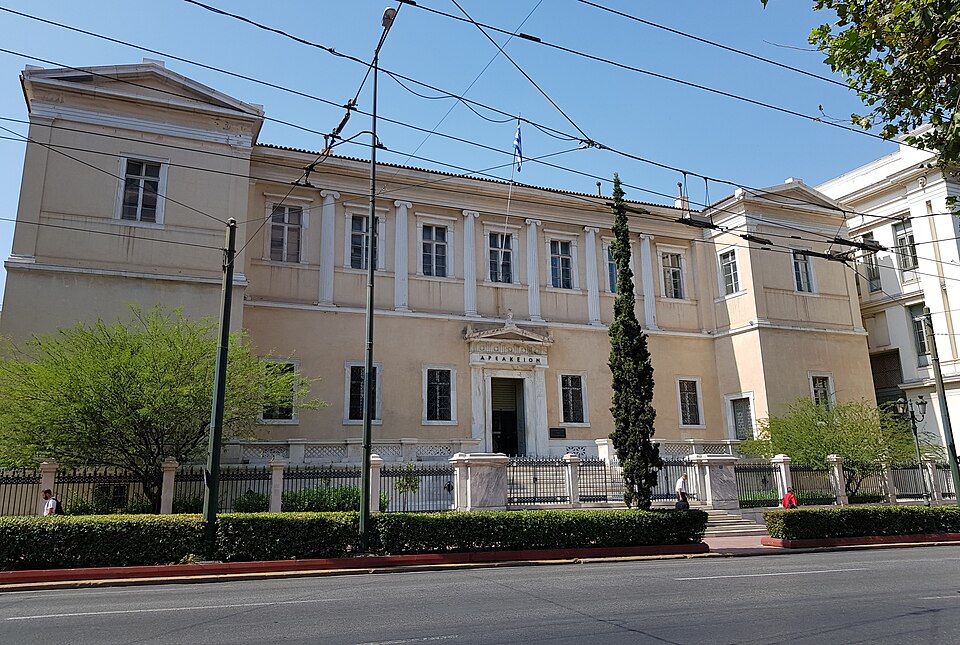
The Arsakion Megaron is a historic neoclassical building located in the heart of Athens, at the intersection of Panepistimiou and Pesmazoglou streets. It was constructed between 1846 and 1852, funded by Apostolos Arsakis, to house the Girls’ School of the Philological Society (now the Educational Society of Athens). Designed by architect Lysandros Kaftantzoglou, the building is a prime example of Hellenic Neoclassicism. A major restoration project is currently underway, with funding from Greece’s Recovery and Resilience Fund, and is expected to be completed by 2026, aiming to preserve and enhance this important cultural landmark.
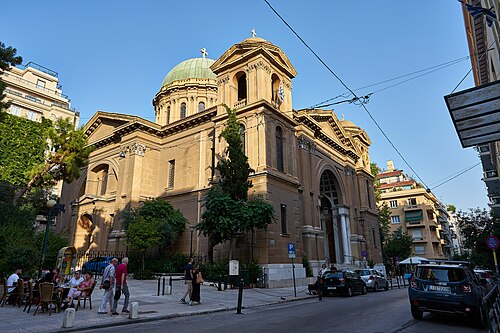
The Church of Agios Dionysios Areopagitis is a prominent Greek Orthodox cathedral located in the Kolonaki district of Athens, dedicated to Saint Dionysius the Areopagite, the first bishop of Athens and a disciple of the Apostle Paul. The current structure was constructed between 1925 and 1931, replacing a smaller church that had been built in 1880 and demolished in 1900. Designed by architect Anastasios Orlandos, the church features a cross-in-square plan with a large dome, combining neo-baroque and neoclassical elements.
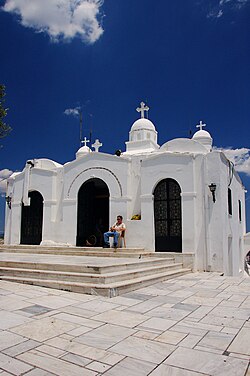
Agios Georgios Lykavittou (St. George Lycabettus) is a prominent church located at the summit of Lycabettus Hill in Athens. The church was built in the late 19th century, and it has become a key landmark on the hill, which is one of the highest points in Athens. Its location on Lycabettus Hill offers stunning panoramic views of Athens, including the Acropolis, the Aegean Sea, and the surrounding mountains, making it a popular destination for both locals and visitors.
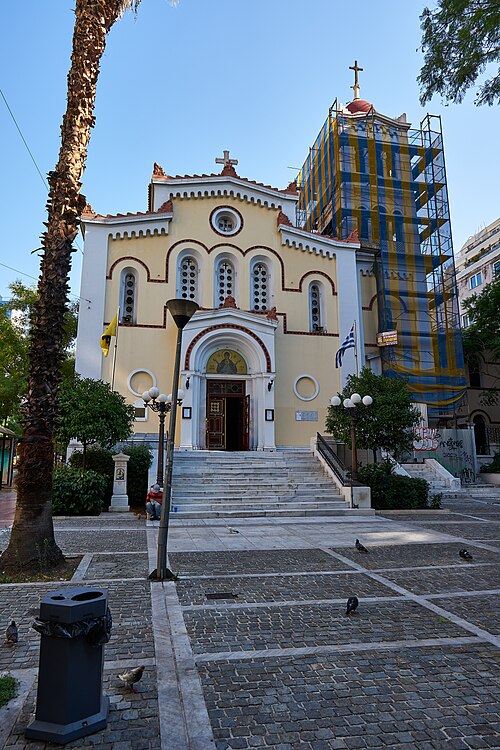
The Church of Zoodochos Pigi in Athens is a significant Greek Orthodox cathedral located in the Neapoli district. Dedicated to the Virgin Mary as the "Life-Giving Spring”, the church was constructed between 1846 and 1852, following plans by architect Dimitrios Zezos. The church's exterior is adorned with decorative elements such as tiled roofs and cornices, while the interior boasts eight marble columns and murals by notable artists like Anastasios Loukidis. A mosaic of the Virgin Mary with Christ is prominently displayed at the main entrance.
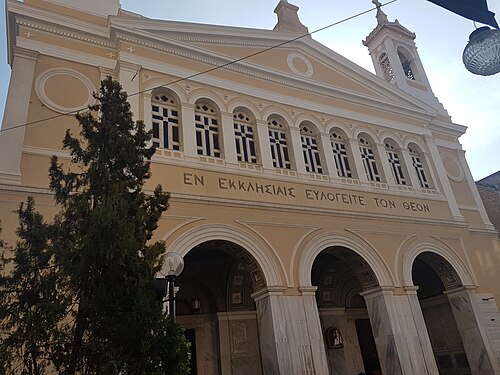
The Kimisi Theotokou church (Dormition of the Virgin Mary) is a significant church also known as Panagia Chryssospiliotissa. Its name originates from the Monastery of Mega Spileo, which contributed to its construction, or from an icon of the Virgin Mary that was a replica of the monastery's icon. The original basilica was built in 1705 but was destroyed during the siege of the Acropolis by Kioutahi Pasha in 1826. Rebuilding commenced in 1832, and completed in 1892. The church is a three-aisled basilica, exemplifying eclecticism by combining neoclassical and Byzantine elements.
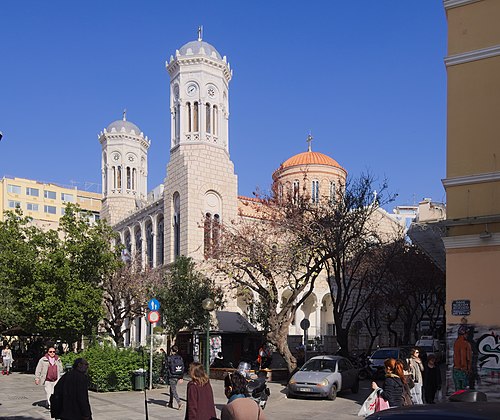
The Church of Agia Irini on Aiolou Street is a beautiful 19th-century church in the heart of Athens, once serving as the city’s main cathedral before the construction of the modern Metropolis. Designed by architect Lysandros Kaftantzoglou, it combines neoclassical and Byzantine elements, featuring a large dome and twin bell towers. Located in the lively Agia Irini Square, surrounded by cafes and shops, it is a peaceful yet central spot that blends Athens' spiritual and urban character.
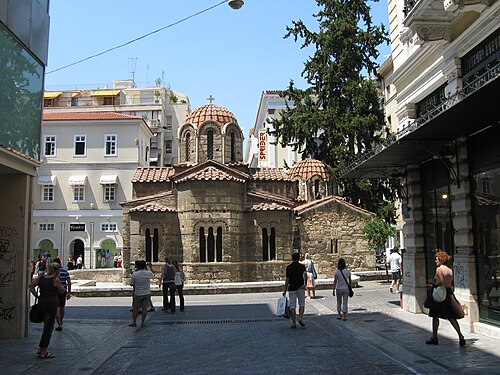
The Church of Panagia Kapnikarea is one of Athens' oldest and most historically significant churches, dating back to the 11th century. Located in the heart of the city on Ermou Street, it was constructed atop an ancient Greek temple, possibly dedicated to Athena or Demeter. The church's name, "Kapnikarea," is believed to derive from the Greek word "kapnismeni," meaning "smoked," referring to the soot marks on its walls.
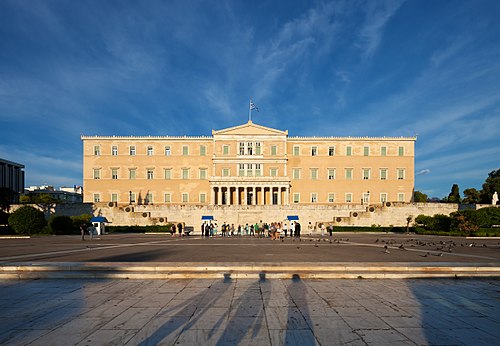
The Greek Parliament building, located on Syntagma Square in central Athens, is one of the city's most iconic landmarks. Originally built between 1836 and 1842 as the Royal Palace for King Otto of Greece, it was designed by Bavarian architect Friedrich von Gärtner in a neoclassical style. Since 1935, it has housed the Hellenic Parliament. In front of the building lies the Tomb of the Unknown Soldier, guarded by the Evzones, the presidential guards in traditional uniform. The Parliament remains a symbol of Greece’s modern democratic life and national identity.
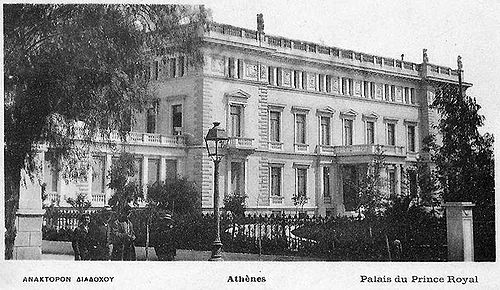
The Presidential Mansion (Proedriko Megaro) is the official residence of the President of the Hellenic Republic, located on Herodou Attikou Street in central Athens. Designed by renowned architect Ernst Ziller, it was completed in 1897 to serve as the Crown Prince’s Palace. Surrounded by lush gardens and neoclassical elegance, the building reflects both grandeur and simplicity. After the monarchy was abolished in 1974, it became the residence of the Greek President.
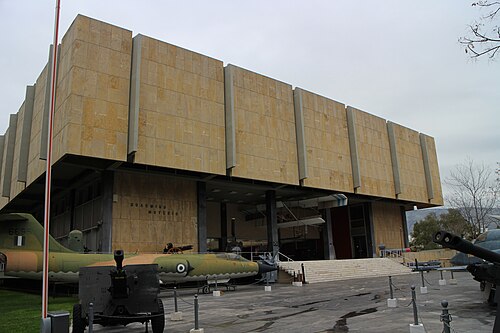
The War Museum of Athens, located near the Evangelismos metro station, is dedicated to preserving the military history of Greece through the centuries. Opened in 1975, the museum showcases a vast collection of weapons, uniforms, maps, photographs, and artefacts from ancient times to the modern era, including the Balkan Wars, World Wars, and the Greek War of Independence. Outside the building, visitors are greeted by impressive aircraft, cannons, and military vehicles, while inside, each floor tells a different chapter of Greece’s long and storied struggle for freedom and sovereignty.
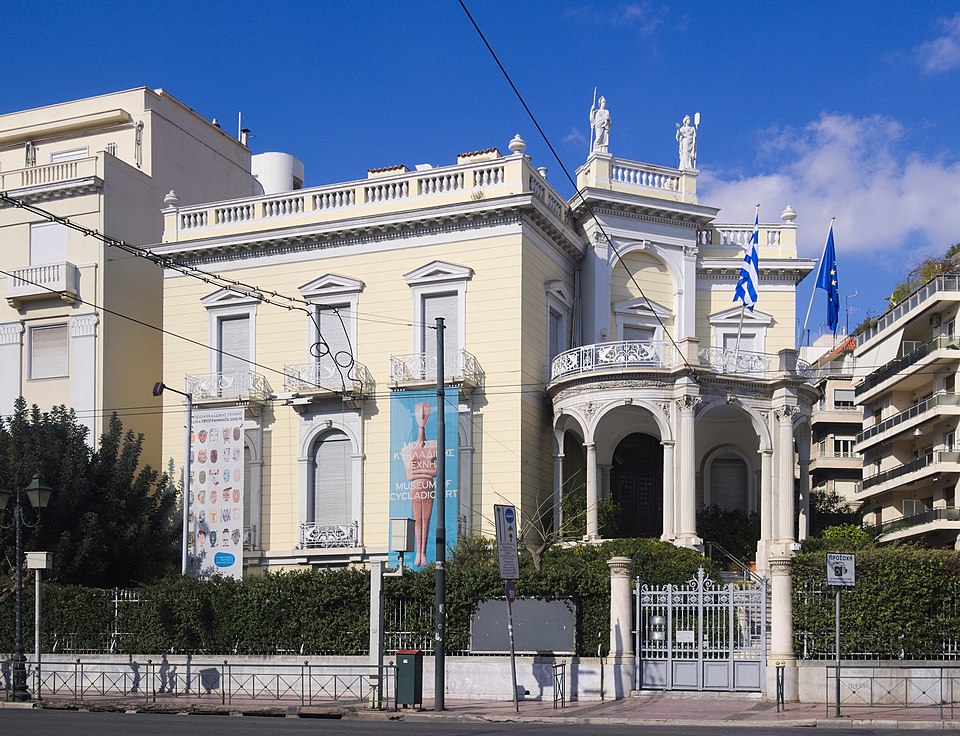
The Museum of Cycladic Art in Athens is a cultural gem dedicated to the ancient civilisations of the Aegean Sea, with a special focus on the unique art of the Cycladic islands. Founded in 1986, the museum houses one of the world’s most important collections of Cycladic figurines — minimalist marble sculptures dating back to 3200–2000 BC, which inspired many modern artists like Picasso and Modigliani. Alongside these iconic pieces, the museum also features ancient Greek and Cypriot artefacts, offering visitors a glimpse into the everyday life, rituals, and aesthetics of early Mediterranean societies.
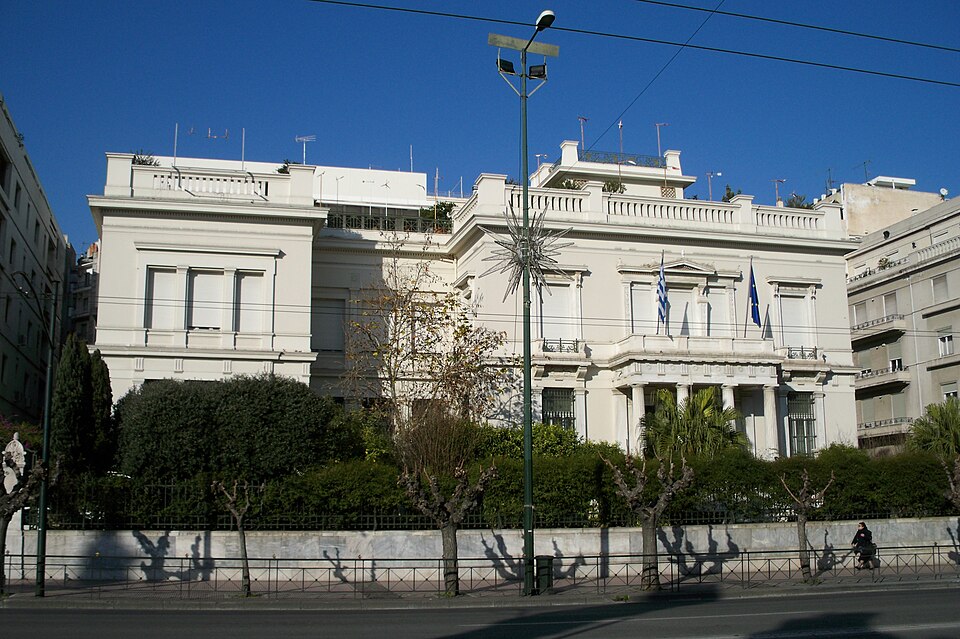
The Benaki Museum of Greek Culture, established in 1930 by Antonis Benakis, is housed in a neoclassical mansion located near Syntagma Square, opposite the National Garden. The museum's extensive collection spans from prehistoric times to the modern era, offering a comprehensive overview of Greek history and culture. Highlights include Mycenaean jewellery, Byzantine artefacts, and personal belongings of notable figures such as Eleftherios Venizelos .
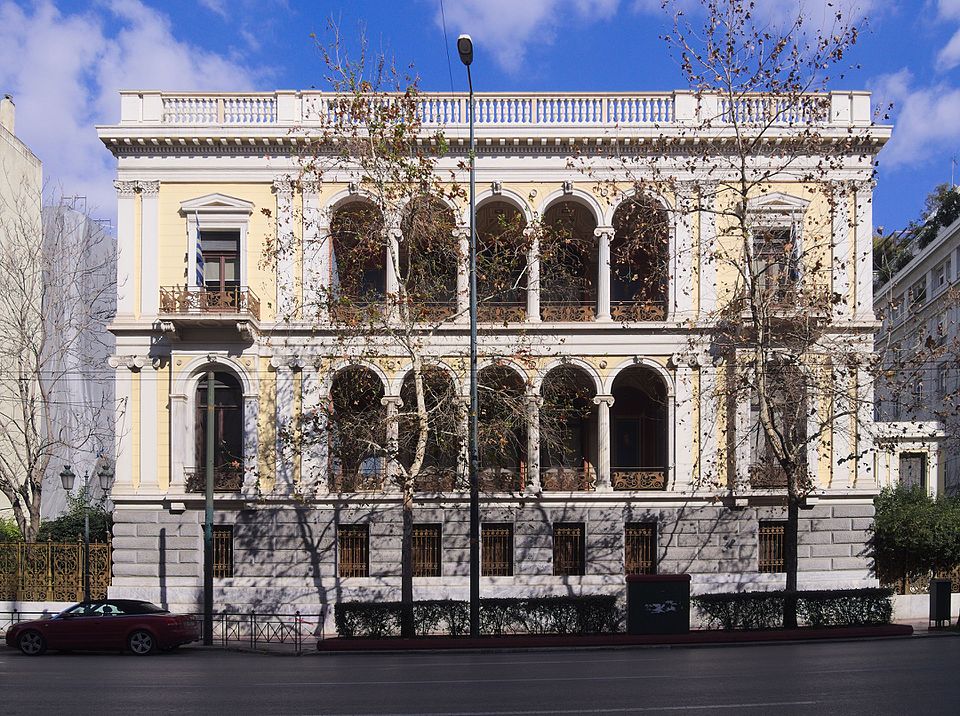
The Numismatic Museum of Athens is one of the oldest and most distinguished museums in Greece, specialising in the collection and exhibition of coins and related artefacts. Housed in the Iliou Melathron, a neoclassical mansion designed by architect Ernst Ziller between 1878 and 1879, the museum offers a unique glimpse into the history of currency and its impact on civilisation. The museum boasts a collection of approximately 500,000 coins, lead seals, weights, medals, and seal rings, spanning from ancient times to the present day.
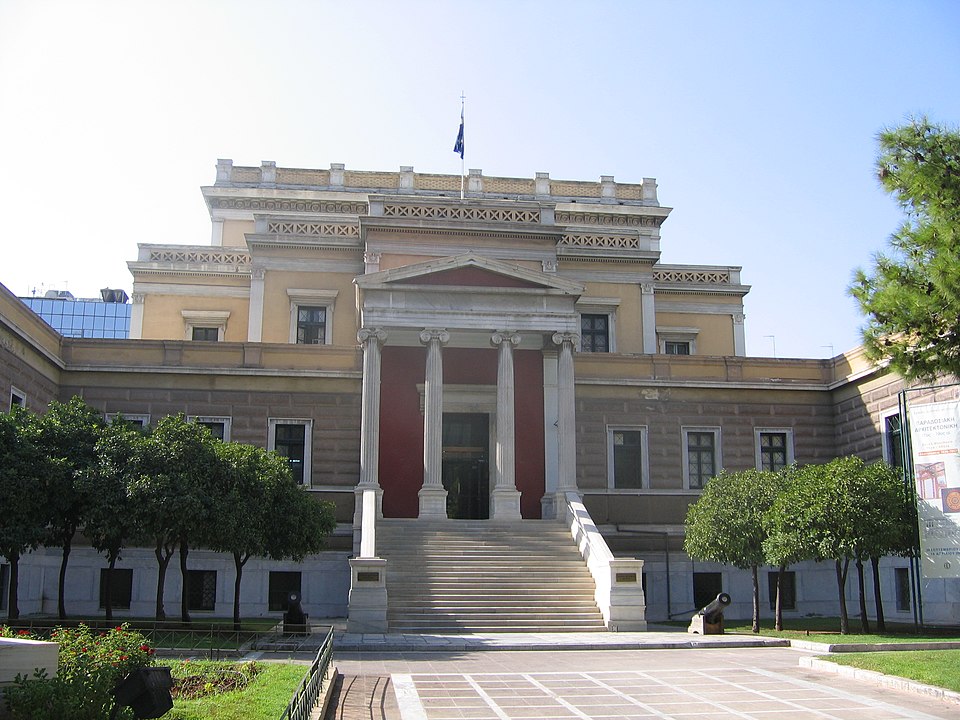
Established in 1882 by the Historical and Ethnological Society of Greece, the museum is housed in the former Old Parliament Building on Stadiou Street. The museum's extensive collection spans from the fall of Constantinople in 1453 to the Second World War, emphasising the Greek War of Independence and the establishment of the modern Greek state. Highlights include weapons, personal belongings of historical figures, paintings, traditional costumes, and items related to significant events such as the Greco-Turkish War and the Balkan Wars.
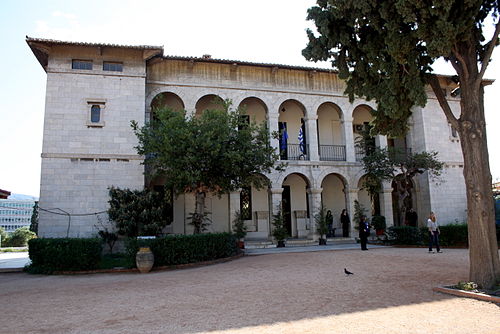
The Byzantine and Christian Museum in Athens offers a captivating journey through Greece's Christian heritage, spanning from the 3rd century AD to the 20th century. Housed in the elegant 19th-century Villa Ilissia on Vasilissis Sofias Avenue, the museum boasts a collection of over 30,000 artefacts, including icons, mosaics, manuscripts, textiles, and ceramics.
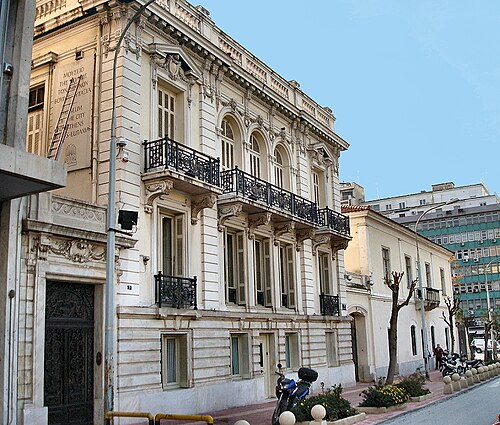
The Athens City Museum, also known as the Vouros-Eutaxias Foundation, offers a captivating glimpse into the evolution of Athens from a modest town to a vibrant metropolis. Housed in two neoclassical buildings, the museum occupies structures dating back to 1833 and 1859 . Notably, number 7 was the first royal residence of King Otto and Queen Amalia, serving as Greece's inaugural royal palace. A standout exhibit is Jacques Carrey’s 1674 oil painting of Athens, the largest known depiction of the city before the Parthenon was damaged in the 1687 siege .

Kolonaki Square, known locally as Plateia Filikis Etaireias, is a chic and historic square nestled in the upscale Kolonaki district of central Athens. Surrounded by elegant boutiques, stylish cafés, and art galleries, it reflects the district's sophisticated atmosphere. Kolonaki Square's central location makes it an ideal starting point for exploring nearby attractions such as Mount Lycabettus, the Benaki Museum, and the Museum of Cycladic Art.

ΕΓΓΡΑΦΗ ΣΤΗΝ ΠΛΑΤΦΟΡΜΑ
TN_LOGOTEXT_2023 Maps © 2026 TerraNaviga.com
imb_logo_23 Development © 2026 imb.gr
COPYRIGHT / INTELLECTUAL PROPERTY (IP) NOTICE: All content, including maps, illustrations, designs, and related materials, constitutes the exclusive intellectual property of Epameinondas Kaiafas Terra Naviga and is protected under Greek and international copyright and intellectual property laws. Any unauthorised use, reproduction, distribution, or adaptation of these materials without express written consent is strictly prohibited. Terra Naviga reserves the right to take full legal action against any infringement, including claims for financial compensation and prosecution under applicable laws.
ANCIENT Monuments
MODERN MONUMENTS
MUSEUMS
SQUARES
SELECT CATEGORY
SELECT LOCATION
INFO
SELECT CATEGORY
CHOOSE ITEM
- MUSEUMS
HOVER OVER ICON
LINK TO OFFICIAL WEBSITE